
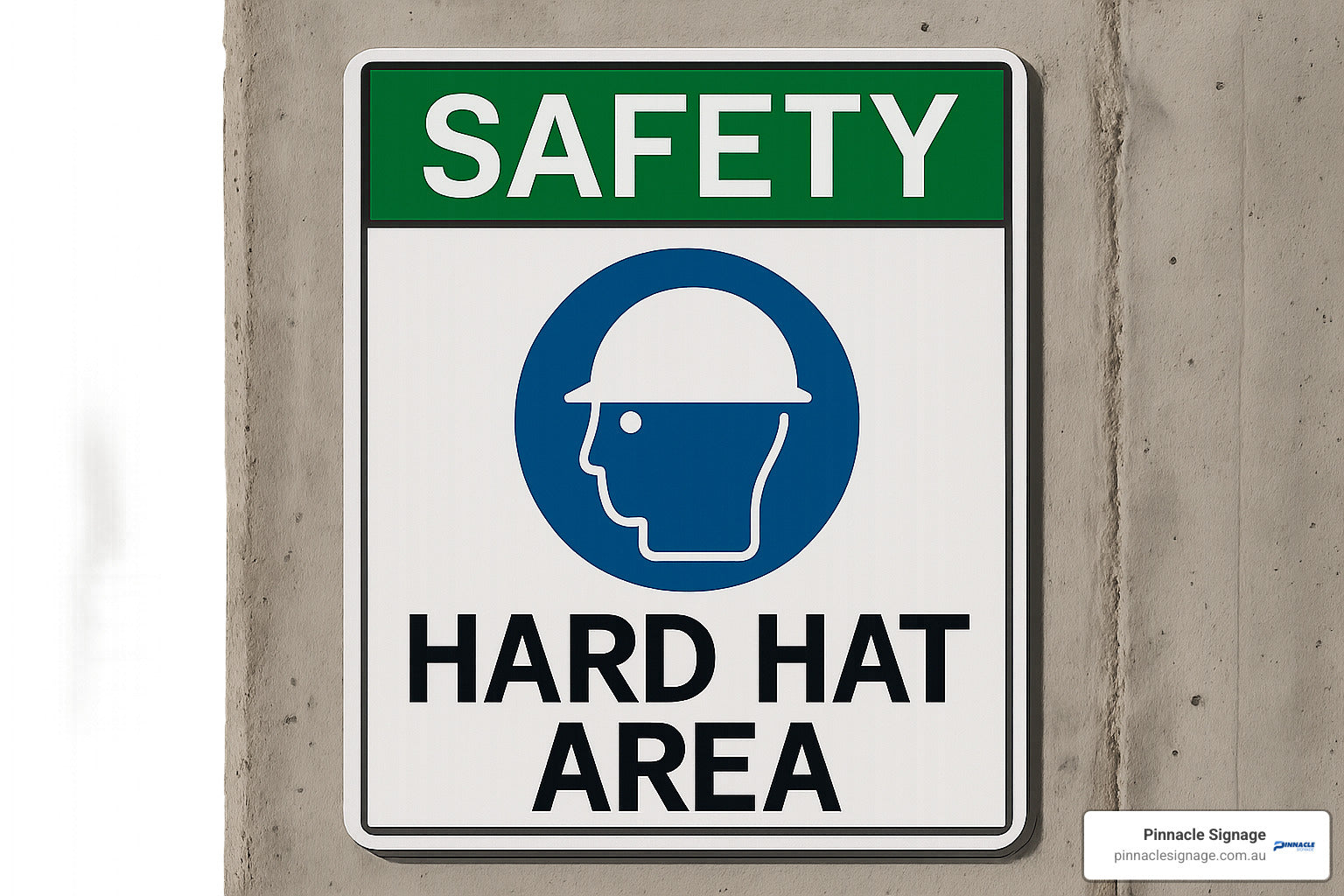
Hard Hats Required – Best Signs for Head Protection Areas
Why Clear Signage is Non-Negotiable in Head Protection Areas
Hard hat area signage is your first line of defence against workplace head injuries, serving as a critical visual reminder that protective equipment is mandatory in designated zones. Whether you're managing a construction site, warehouse, or industrial facility, the right signage can be the difference between compliance and catastrophe.
Quick Selection Guide for Hard Hat Area Signage:
- Mandatory Signs (Blue Circle) – Standard requirement for general hard-hat areas
- Caution Signs (Yellow) – Areas with potential hazards like overhead work or low clearance
- Danger Signs (Red) – High-risk zones with falling objects or demolition work
- Materials – Aluminium composite for outdoor durability; rigid PVC for indoor use
- Placement – Site entrances, transition zones, and eye-level mounting for maximum visibility
Construction remains one of the most hazardous industries in Australia, with falling objects and equipment impact a leading cause of serious head injuries. Clear, consistent signage acts as an everyday reminder that head protection is non-negotiable.
Your legal obligation under Australian WHS regulations is clear – employers must provide adequate warning of hazards and ensure workers understand PPE requirements. Hard-hat area signage isn’t just good practice; it’s a regulatory requirement that protects both your people and your business from liability.
From mandatory blue circle signs for general requirements to red danger signs for high-risk demolition zones, the best signage choice flows directly from a thorough hazard assessment. Modern hard-hat signs can also integrate multiple PPE symbols, combining head protection, safety glasses, high-vis vests and steel-capped boots in a single, clear message.
At Pinnacle Signage, we’ve built our reputation on delivering compliant, durable signage that stands up to Australia’s demanding work environments.
Similar topics to hard hat area signage:
Decoding the Message: Choosing the Right Type of Hard Hat Sign
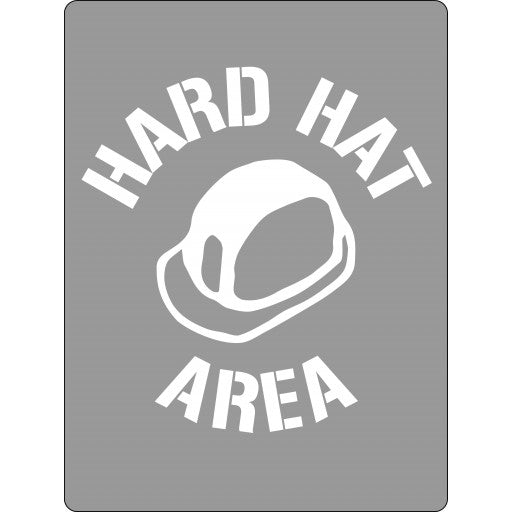
When it comes to hard hat area signage, the colour and design of your sign tells a story before anyone even reads the words. It's not just about looking official – each colour combination follows AS 1319 standards and communicates a specific level of urgency and risk to everyone entering your site.
Think of it like a traffic light system for safety. Just as drivers instinctively know what red, yellow, and green mean on the road, workers across Australia recognise the safety significance of blue circles, yellow caution headers, and red danger warnings. This universal language of safety signage means your message gets across clearly, whether you're dealing with experienced tradies or first-time visitors.
The secret to choosing the right sign lies in honestly assessing your workplace hazards. Are you dealing with the occasional overhead task, or is there genuine risk of serious injury from falling objects? Getting this assessment right isn't just about compliance – it's about making sure your signage actually protects people. The difference between Caution and Danger signs can be the difference between a minor incident and a life-changing accident.
Mandatory Signs (Blue Circle): The Standard Requirement
The blue circle with white symbols is the workhorse of hard hat area signage. You'll see these signs at site entrances, general work areas, and anywhere head protection is required as standard practice rather than emergency protocol. The blue and white combination creates that unmistakable "you must do this" message that's become second nature in Australian workplaces.
These signs work beautifully for general instruction areas where the risk level is manageable but head protection is still non-negotiable. Think about your typical warehouse with overhead storage, a manufacturing floor with standard machinery, or construction zones where the work is routine rather than high-risk. The mandatory blue circle tells people exactly what they need to do without creating unnecessary alarm.
What makes mandatory signs so effective is their straightforward compliance message. Workers don't need extensive briefings or special training – they see the blue circle and know it means "put your hard hat on." This simplicity makes them perfect for site entry points where you might have visitors, contractors, or new employees who need clear, immediate guidance.
The beauty of AS 1319 compliance is that these signs work consistently across different industries and locations. Whether someone's worked on mining sites, construction projects, or manufacturing facilities, that blue circle means the same thing everywhere.
Caution Signs (Yellow): Be Aware of Potential Hazards
Yellow caution signs step things up a notch, signalling that there are potential hazards in the area that could cause minor to moderate injury if people aren't careful. These signs are perfect for those in-between zones where the risk isn't life-threatening, but extra attention is definitely needed.
You'll find caution-level hard hat area signage works brilliantly in areas with overhead work happening occasionally, spaces with low clearance where people might bump their heads, or zones where moving equipment operates intermittently. The yellow header catches the eye without creating panic, striking that perfect balance between awareness and alarm.
Loading docks are a classic example where caution signs shine. There's potential for minor injury risk from overhead doors, occasional forklift activity, or protruding equipment, but it's not the same immediate danger you'd find in an active demolition zone. The yellow warning gives people that extra beat to look up and assess their surroundings.
What's particularly clever about caution signs is how they work in mixed-use facilities. They create clear visual boundaries between different risk zones, helping people understand when they're moving from a general area into somewhere that requires more attention. This graduated approach to safety messaging helps prevent both complacency and unnecessary anxiety.
Danger Signs (Red): For High-Risk and Immediate Threats
Red danger signs are the heavy hitters of safety signage, reserved for situations where serious injury risk or even death risk is genuinely possible. These aren't signs you use lightly – they're for areas where the hazards are immediate, severe, and potentially life-changing.
Falling objects in active demolition zones, work directly beneath heavy cranes, or areas with high-voltage electrical equipment overhead all warrant the red danger treatment. The red oval header creates that stop-you-in-your-tracks visual impact that's designed to make people pause and seriously consider whether they should be entering the area.
The key to effective danger signage is restraint. If you mark every area as dangerous, the impact gets diluted and people start ignoring the warnings. Save the red signs for genuinely high-risk zones where there's real potential for serious harm. Demolition zones with unstable structures, blast areas, or anywhere with uncontrolled falling debris – these are the situations that demand red warning signs.
Essential signs for high-risk areas require careful thought about both placement and messaging. The goal is to communicate the severity of the risk without creating unnecessary panic or confusion. When someone sees a red danger sign, they should immediately understand that this area requires special precautions, proper authorisation, or potentially avoiding altogether unless they're specifically trained and equipped for the hazards present.
Built to Last: Materials and Features of Quality Hard Hat Area Signage
When you’re investing in hard hat area signage, you need a solution that will last for years, not months. The Australian climate is unforgiving – scorching UV rays, sudden downpours, coastal salt spray and temperature swings can ruin cheap signs within a single season.
I’ve seen too many site managers frustrated by faded, cracked or illegible signs that looked professional when first installed but became hazards themselves after only a few months. Quality materials aren’t just about appearance – they maintain critical safety communication when it matters most.
The key is matching your material choice to your environment. A sign that performs beautifully in an air-conditioned warehouse might fail on an exposed construction site, while premium outdoor materials could be overkill for temporary indoor applications.
Choosing the Right Material for Your Site
Aluminium Composite Panel (ACP) is the gold standard for outdoor hard hat area signage. This engineered sheet sandwiches a polyethylene core between two aluminium layers, creating a lightweight yet incredibly tough panel. ACP signs typically maintain crisp colour and legibility for 5–7 years, even in harsh Australian conditions.
The beauty of ACP lies in its versatility – it performs reliably across New South Wales, from the coastal humidity of Coffs Harbour to the dry heat of Broken Hill, without breaking a sweat. While ACP requires a higher initial investment, it proves cost-effective once you factor in replacement costs and the professional image it maintains.
Rigid PVC offers a practical middle ground, particularly when budget constraints are a factor. This 1.5 mm substrate delivers solid performance for indoor applications and moderate outdoor exposure. We often recommend rigid PVC for smaller formats or when you need multiple signs across a site that doesn’t face extreme weather.
Self-adhesive vinyl shines when you need to apply signage directly to existing surfaces – think concrete walls, steel posts or equipment housings. While vinyl won’t last as long as rigid substrates, it’s perfect for seasonal applications or situations where you update signage frequently.
Corflute serves as an economical option for genuinely temporary needs, such as short-term construction phases or events. Just don’t expect it to handle a full summer without showing its age.
The Benefits of Custom Hard Hat Area Signage
Generic signs might tick the compliance box, but custom signage transforms safety communication into a genuine workplace tool. We consistently see better compliance with customised hard hat area signage because it speaks directly to staff and site-specific hazards.
- Company branding reinforces that safety is a core value.
- Site-specific messaging addresses the exact hazards present.
- Bilingual text supports Australia’s multicultural workforce.
- Multiple PPE symbols on one sign reduce visual clutter while covering all requirements.
Investing in custom signage pays dividends through improved compliance, a safer workplace and a more professional appearance that reflects well on your business.
Best Practices for Placement and Associated PPE Signage
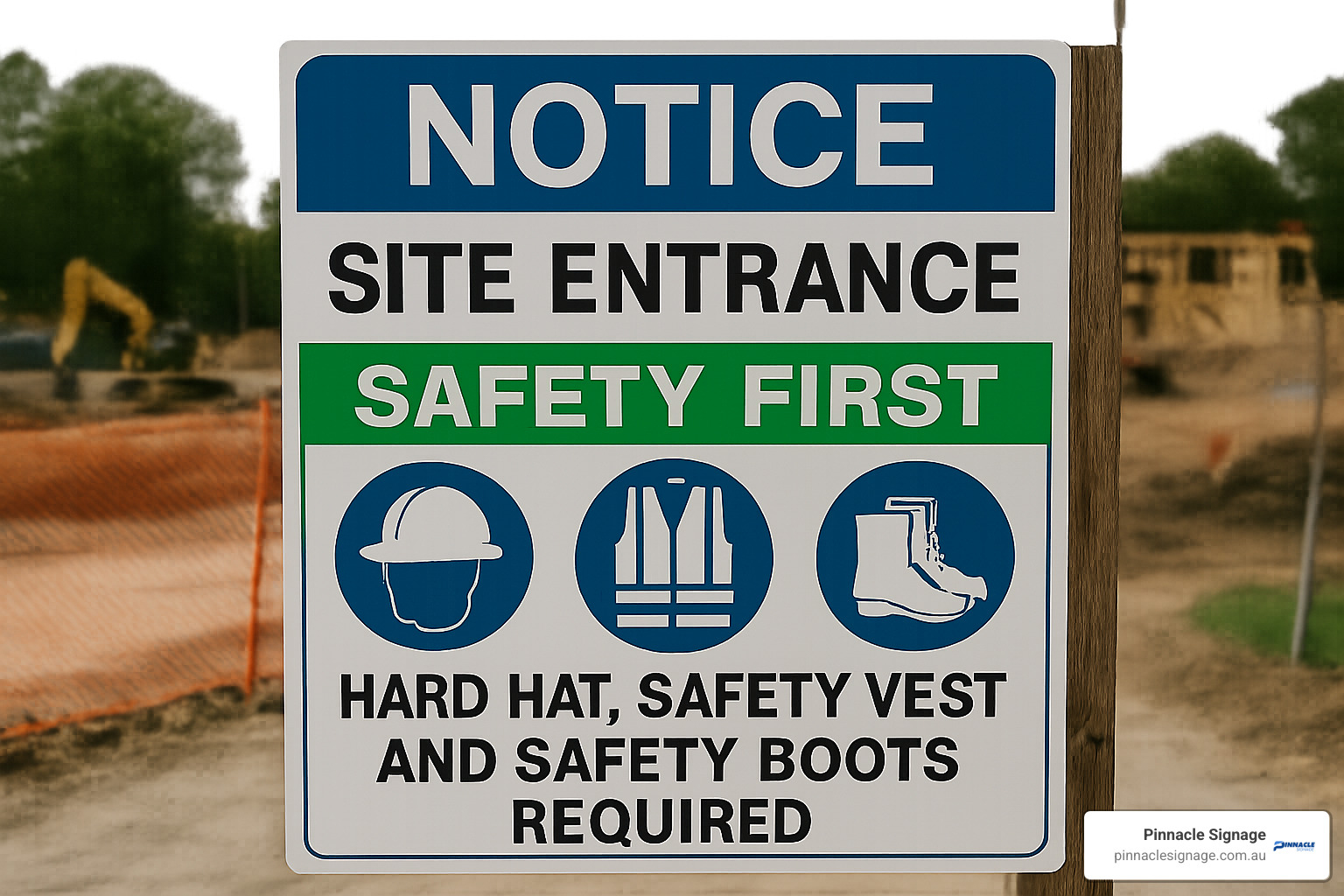
Even the highest quality hard hat area signage fails if it's poorly positioned or obscured from view. We've audited countless sites where expensive signs were rendered ineffective by thoughtless placement decisions that could have been easily avoided.
Effective sign placement requires understanding how people move through your site and where they make decisions about PPE compliance. The goal is to provide clear, unmistakable guidance at every point where workers might question whether head protection is required.
Strategic Placement for Maximum Effectiveness
Site entrances represent your primary opportunity to establish safety expectations. Position hard hat area signs at eye level, approximately 1.5-1.8 metres from ground level, where they're impossible to miss. Multiple signs may be necessary for wide entrances or where vehicle and pedestrian traffic follow different paths.
Transition zones between different risk levels require particular attention. A sign marking the boundary between an office area and a construction zone needs to be positioned where people naturally pause to assess the change in environment. We recommend placing these signs 2-3 metres before the actual hazard area to give people time to don their PPE.
Eye-level mounting ensures signs are positioned within the natural field of view for both walking and driving personnel. Signs mounted too high are often overlooked, while those positioned too low can be obscured by equipment or materials.
Unobstructed views are essential for sign effectiveness. Regularly audit your signage to ensure it hasn't been blocked by stored materials, parked vehicles, or growing vegetation. We've seen too many compliance issues arise from signs that were perfectly positioned when installed but became invisible over time.
High-traffic areas benefit from redundant signage to ensure the message reaches everyone. Consider both primary and secondary sign locations, particularly in areas where people might approach from multiple directions.
Good lighting affects sign visibility, especially during early morning or late afternoon shifts. Reflective materials or illuminated signs may be necessary in areas with poor natural lighting or where work continues after dark.
Making your workplace safe with comprehensive signage requires thinking beyond individual signs to create a coordinated safety communication system.
Beyond the Hard Hat: Displaying Other PPE Requirements
Modern hard hat area signage often incorporates multiple PPE requirements on a single, comprehensive display. This approach reduces visual clutter while ensuring workers understand all safety requirements for a particular area.
Multi-message signs combine hard hat requirements with other essential PPE in a logical, easy-to-understand format. The most effective designs use clear pictograms alongside text to ensure understanding regardless of literacy levels or language barriers.
Safety glasses requirements often accompany hard hat areas, particularly in environments with flying debris, chemical splashes, or bright lights. Combined signage ensures workers don't overlook eye protection requirements.
High-vis vests are frequently required in the same areas as hard hats, especially in construction zones with vehicle traffic or areas with low visibility conditions. Integrated signage eliminates confusion about which PPE is required where.
Steel-capped boots protect against falling objects that might not be stopped by hard hats, making them a logical addition to comprehensive head protection areas. Combined messaging reinforces the importance of complete protection.
Hearing protection requirements often overlap with hard hat areas in industrial environments with loud machinery or construction equipment. Multi-message signs ensure workers understand all protection requirements.
Gloves may be required in hard hat areas where workers handle rough materials, chemicals, or hot surfaces. Comprehensive signage prevents workers from focusing on head protection while neglecting hand safety.
Frequently Asked Questions about Hard Hat Signs
When are hard hat signs legally required in Australia?
The short answer is: whenever your risk assessment identifies potential head injury hazards that workers might not otherwise recognise. Under Australian WHS regulations, employers have a duty of care to provide adequate warning of workplace hazards and ensure workers understand PPE requirements clearly.
Hard hat area signage becomes legally required when there's risk of injury from falling objects, low clearance areas, or impact with fixed objects - and workers might not immediately recognise these dangers. Construction sites are the obvious example, but warehouses with overhead storage, industrial facilities with suspended equipment, and even retail spaces during fit-outs often require signage to meet WHS obligations.
The law doesn't specify exact sign types or placement - it focuses on effective hazard communication. If someone could reasonably enter a hazardous area without realising head protection is needed, you're legally required to provide clear warning signage.
Safe Work Australia provides comprehensive guidance on risk assessment and hazard communication requirements. The key is demonstrating you've taken reasonable steps to warn workers of hazards and communicate PPE requirements in a way that's actually understood.
How do I ensure my hard hat area signage is compliant?
Compliance with AS 1319 comes down to getting four key elements right: clear pictograms, legible text, correct colours for the hazard level, and appropriate placement for maximum visibility. The standard isn't just bureaucratic box-ticking - it's designed to ensure your signage actually works when it matters.
Clear pictograms must be immediately recognisable and culturally appropriate. The hard hat symbol is universally understood across Australia's multicultural workforce, but if you're adding other PPE symbols, they need to be equally clear and unambiguous.
Legible text means considering viewing distance, lighting conditions, and the physical capabilities of your workforce. Text needs to be large enough to read from the maximum distance where the sign needs to be effective - there's no point having perfect compliance if people can't actually read your message.
Correct colours communicate hazard levels appropriately. Don't use red danger signage for low-risk areas, as this dilutes the impact when real dangers are present. Blue mandatory signs work for standard requirements, yellow caution signs for potential hazards, and red danger signs only for serious injury risks.
Understanding Australian Standards For Safety Signs provides detailed guidance on meeting compliance requirements while maintaining real-world effectiveness.
How often should I inspect or replace my safety signs?
Regular inspection schedules depend on your environment and sign materials, but monthly visual checks are recommended for outdoor signage exposed to harsh Australian conditions. We've seen too many sites where faded or damaged signs became liability issues because no one was keeping an eye on them.
Fading is the silent killer of sign effectiveness. It happens gradually, so you might not notice until your hard hat area signage is practically illegible. Australia's harsh UV exposure breaks down inks and substrates over time, even with quality materials. Premium substrates like aluminium composite resist fading longer, but no sign lasts forever outdoors.
Physical damage from weather, equipment, or vandalism can compromise both sign effectiveness and your professional image. A bent, cracked, or graffitied safety sign sends the wrong message about your commitment to workplace safety - and may not provide adequate legal protection if an incident occurs.
Changes in site hazards often require sign updates or replacement. New equipment installations, modified procedures, or changed risk levels might make your existing signage inappropriate or insufficient. Regular reviews ensure your signage keeps pace with your actual workplace conditions.
Material lifespan varies significantly by substrate and environmental conditions. Premium materials like ACP typically last 5-7 years outdoors in harsh Australian conditions, while economy options may need replacement every 1-2 years. Indoor signage generally lasts longer, but still requires regular inspection.
We recommend establishing a formal inspection and replacement schedule as part of your overall safety management system. This proactive approach ensures your signage remains effective and compliant throughout its service life, rather than waiting for problems to develop.
Conclusion: Investing in Safety with Compliant Signage
When you invest in quality hard hat area signage, you're doing more than ticking boxes for compliance - you're making a statement about what matters most in your workplace. Every well-placed, professionally manufactured sign tells your workers, visitors, and clients that safety isn't negotiable at your site.
The numbers don't lie: head injuries remain one of the most serious workplace hazards across Australian industries. But here's the encouraging part - proper signage genuinely saves lives. When workers can clearly see what's expected of them before they enter hazardous areas, they make better decisions. It's that simple.
After years of working with businesses across Australia, we've learned that the most successful safety programs share one common trait: they communicate clearly and consistently. Your hard hat area signage forms the backbone of this communication, creating visual cues that become second nature to your team.
Safety culture starts with the details. When workers see crisp, professional signage that's been thoughtfully positioned and well-maintained, they understand that safety standards matter here. Conversely, faded, damaged, or poorly placed signs send the opposite message - that safety is an afterthought rather than a priority.
The investment in quality signage pays for itself many times over. Consider the true cost of a single workplace head injury: workers' compensation claims, production delays, regulatory investigations, and the immeasurable human cost to the injured worker and their family. Premium signage that prevents even one serious injury has justified its cost thousands of times over.
We've seen the difference that thoughtful signage selection makes. Mandatory blue circle signs for general areas, yellow caution signs for moderate hazards, and red danger signs for high-risk zones - each serves a specific purpose in your overall safety strategy. The key is matching the right sign to the right situation and ensuring it's built to last in Australian conditions.
Your workers deserve signage that's clear, durable, and positioned where they need it most. Whether you're managing a construction site, warehouse, or manufacturing facility, the principles remain the same: communicate hazards clearly, use appropriate materials for your environment, and maintain your signage to professional standards.
At Pinnacle Signage, we understand that every workplace is unique. That's why we offer customisable solutions that address your specific hazards while maintaining compliance with Australian standards. From site-specific messaging to multi-lingual options, we help you create signage that truly serves your workforce.
Explore our complete range of safety and construction site signage to find how professional signage can transform your workplace safety culture while ensuring full compliance with Australian standards.
Invest in quality safety communication that protects your people and business. Pinnacle Signage offers comprehensive solutions, including high-quality vinyl Hardhat Stickers. These essential tools convey vital messages like rank and training on construction sites, with custom designs. Choose Pinnacle Signage for a partner committed to doing worker safety right.