

Safety First: Your Guide to Essential Workplace Signage
Understanding Workplace Safety Signs: A Critical Guide
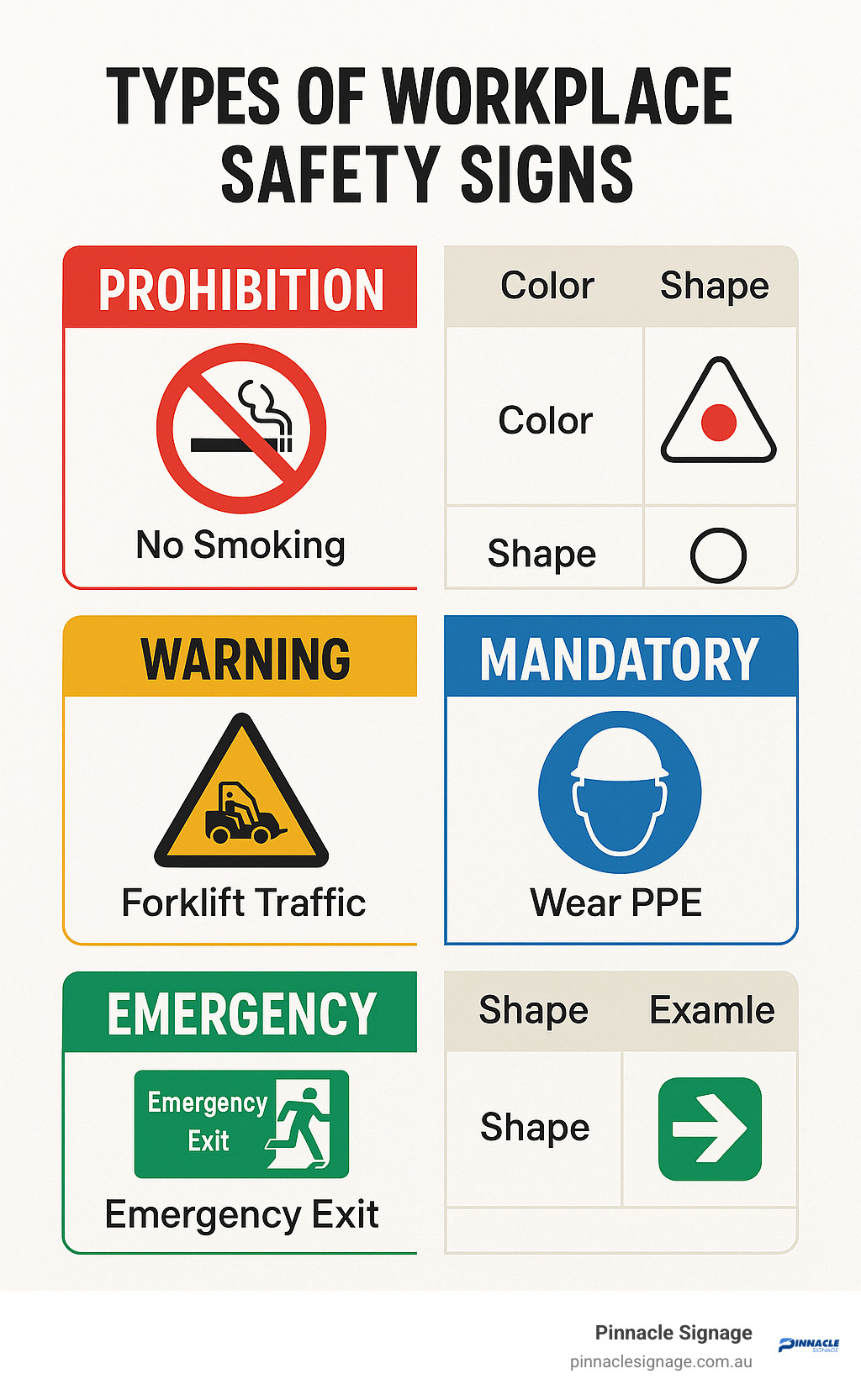
Workplace safety signs are essential visual communication tools that alert employees and visitors to potential hazards, required actions, and emergency information in the work environment. Here's what you need to know:
| Type of Safety Sign | Color | Purpose | Examples |
|---|---|---|---|
| Prohibition | Red/White | Forbid actions | No Smoking, No Entry |
| Danger | Red/White/Black | Warn of immediate hazards | High Voltage, Confined Space |
| Warning | Yellow/Black | Alert to potential risks | Forklift Traffic, Slippery Surface |
| Mandatory | Blue/White | Indicate required actions | Wear PPE, Wash Hands |
| Emergency | Green/White | Mark safety equipment/exits | First Aid, Emergency Exit |
| Information | Blue/White | Provide general information | Assembly Point, Visitor Parking |
According to the Health and Safety Regulations, employers must provide appropriate signage wherever significant risks remain that cannot be eliminated by other means. Workplaces with clear, compliant safety signage can reduce accident rates by up to 80%, making them crucial for any comprehensive safety program.
Effective safety signs use standardized colours, shapes, and symbols to communicate instantly, even across language barriers. They should be strategically placed at eye level near hazards or entry points, with clear visibility and adequate lighting.
I'm Doug Lindqvist, General Manager of Pinnacle Signage, and I've spent years helping Australian businesses steer the complex world of workplace safety signs to create safer environments while meeting compliance requirements. My experience has shown that the right signage isn't just about ticking regulatory boxes—it's about creating visual cues that actively prevent accidents and protect your most valuable asset: your people.
Why Investing in Safety Signage Matters
Let's be honest—nobody wants accidents in their workplace. That's where workplace safety signs come in, acting as silent guardians that constantly remind everyone about potential dangers and necessary precautions.
The numbers tell a compelling story. Workplaces that implement proper safety signage see accident rates drop by up to 80%. Think about that for a moment. That's not just about keeping your team safe (though that's certainly the most important part)—it's also about protecting your business from the financial impact of injuries, downtime, and potential compensation claims.
There's also the legal side of things to consider. Under Australian Standard AS 1319, you have a duty of care as an employer to provide appropriate safety signs wherever significant risks exist that can't be completely eliminated. Ignoring this responsibility can hit your wallet hard, with SafeWork Australia penalties often reaching tens of thousands of dollars for serious non-compliance.
Safety research consistently shows that effective hazard communication—with proper signage at its core—could prevent approximately 60% of workplace injuries. Workplace safety signs are remarkably effective because they:
- Provide instant recognition of hazards, even from across a busy workspace
- Break through language barriers with universally understood symbols
- Act as constant reminders when human attention naturally wanders
- Help establish a visual safety culture that reinforces your training efforts
As safety professionals often remind us, "Never assume everyone sees the obvious dangers—that's precisely why we need signs!" This wisdom becomes especially relevant in workplaces with visiting contractors, new team members, or multilingual staff.
At Pinnacle Signage, we've witnessed how thoughtfully implemented signage solutions transform safety outcomes for businesses across NSW and beyond. Our Australian-made signs aren't just about ticking compliance boxes—they're genuine investments in your team's wellbeing and your company's future.
The science backs this up too. Research on hazard communication consistently shows that visual warnings significantly reduce risky behaviours in workplace settings. When people can see and understand potential dangers, they naturally take steps to avoid them.
Want to learn more about creating a safer, more secure workplace environment? Check out our guide on making your workplace safe and secure with high-quality safety signage.
Top Picks: Workplace Safety Signs You Need Now
Creating a comprehensive safety signage system can feel overwhelming—there are so many options, but which ones does your workplace truly need? I've helped hundreds of Australian businesses steer this challenge, and I'm happy to share our most essential workplace safety signs that every workplace should consider.
Think of these signs as your silent safety team, working 24/7 to prevent accidents and protect your people. Let's explore the must-haves for any Australian workplace:
Workplace Safety Signs for Immediate Danger
When it comes to protecting your team from serious risks, danger signs are your first line of defense. These attention-grabbing red and black signs communicate immediate hazards that could result in serious injury or worse.
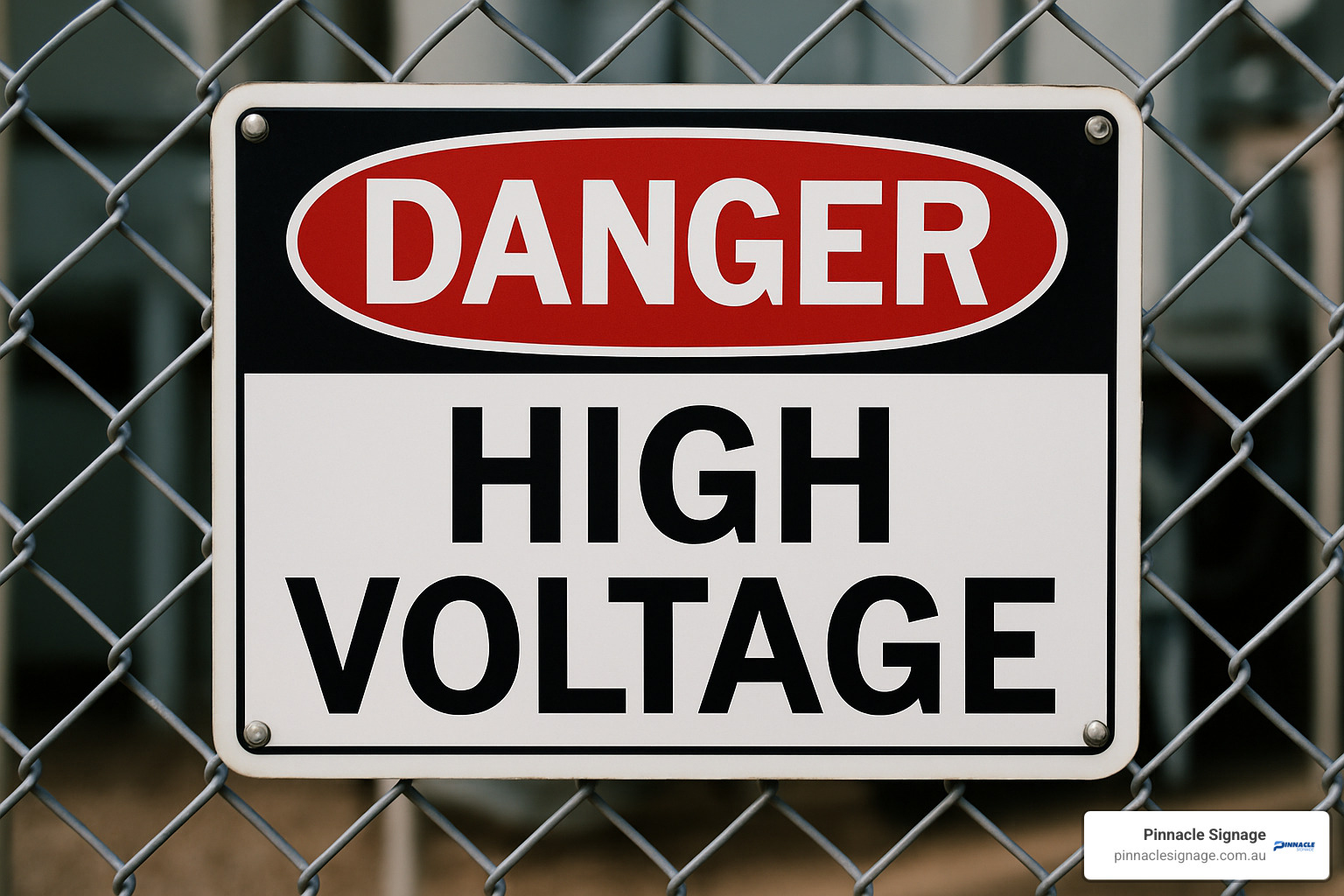
Our most popular danger signs include those warning about high voltage areas, which are critical for electrical rooms and substations. Similarly, confined space warnings are essential for tanks, silos, or pits where ventilation might be limited. For renovation sites, asbestos danger signs protect workers from invisible but deadly hazards, while forklift operating area signs prevent devastating collisions in busy warehouses.
These signs should be positioned right at the hazard point—you want people to see them before they enter the danger zone.
Workplace Safety Signs for Potential Hazards
Not every workplace hazard is immediately life-threatening, but they still deserve attention. That's where our yellow and black caution signs come in, alerting your team to potential risks that require awareness.
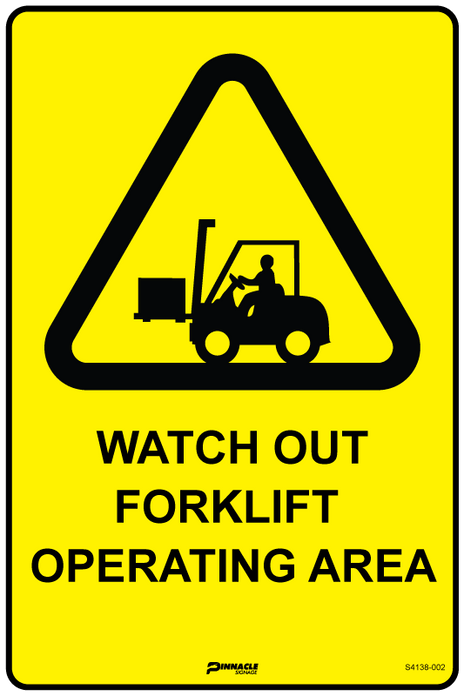
The caution – forklift traffic signs are particularly popular in warehouses where pedestrians and heavy machinery share space. Similarly, wet floor signs are essential during cleaning or in areas prone to spills. Trip hazard warnings prevent painful falls around uneven surfaces or trailing cables, while hot surface cautions protect against burns near industrial equipment or kitchen areas.
Mandatory & PPE Workplace Safety Signs
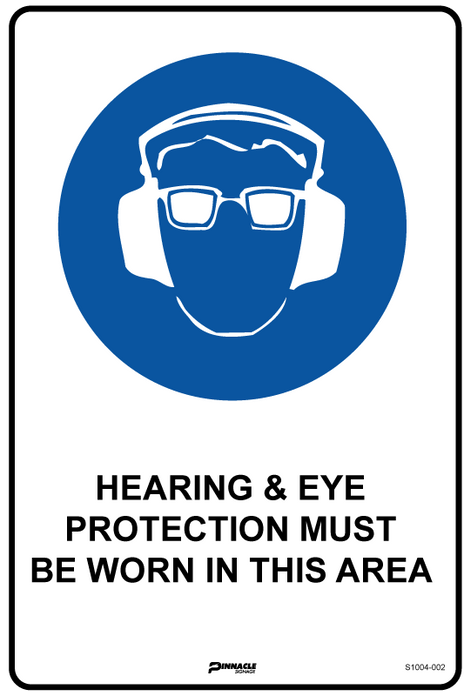
Blue and white mandatory signs don't just suggest—they instruct. These signs clearly communicate when specific actions or protective equipment are non-negotiable in certain areas.
Eye protection signs are critical in workshops and laboratories where flying debris is a risk. Hard hat area signs are the standard on construction sites and anywhere with overhead hazards. In noisy environments, hearing protection required signs protect against long-term hearing damage, while safety gloves required signage is essential anywhere chemicals or sharp objects are handled.
Emergency & First Aid Signs
When emergencies strike, clear direction can save lives. Our green and white emergency signs provide crucial information when it matters most.
Emergency exit signs are legally required in virtually all buildings to mark evacuation routes. First aid kit location signs ensure quick access to medical supplies during injuries. Emergency assembly point signage is vital for accounting for everyone during evacuations, while emergency shower/eyewash signs direct chemical splash victims to immediate relief.
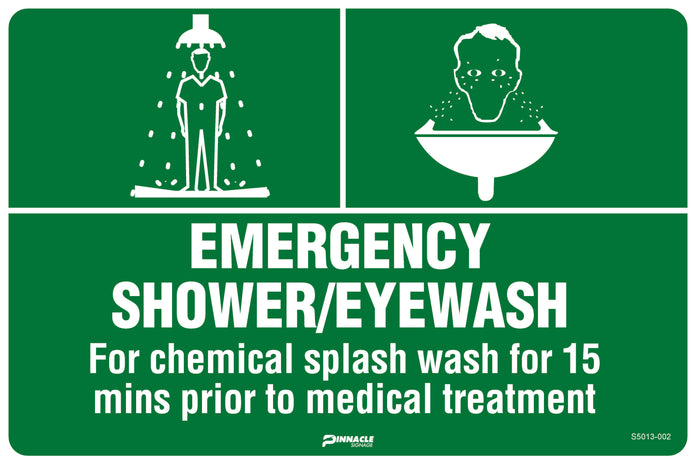
For areas prone to power outages or smoke, our photoluminescent (glow-in-the-dark) emergency signs are worth every penny. They store ambient light and emit a reassuring glow for up to 8 hours in darkness, ensuring evacuation routes remain visible when conventional lighting fails.
Custom & Multilingual Solutions
Every workplace has unique challenges that off-the-shelf signs might not address. That's where our custom solutions come in handy—allowing you to create site-specific warnings for unusual hazards, combine multiple messages on a single sign, incorporate your company branding, or even add QR codes linking to detailed safety procedures.
For diverse workforces, our bilingual and multilingual options ensure everyone understands critical safety information, regardless of their primary language. More info about making your workplace safe and secure with high-quality safety signage
How to Choose and Place the Right Signs
Selecting the perfect workplace safety signs isn't just about grabbing something off the shelf. It's about making thoughtful choices that will protect your team and create a safer workplace. Let's walk through how to make these important decisions together.
Start by conducting a thorough risk assessment. This might sound formal, but it's really about asking yourself some straightforward questions: What hazards exist in your workspace? Who might encounter them? What safety measures do you already have in place? And importantly, what risks remain that good signage could help address?
Once you've identified where you need signs, let's think about how people will actually see them:
Viewing Distance matters more than you might think. If workers need to read a sign from 20 metres away, those letters need to be substantially larger than if they'll be reading it up close. As a rule of thumb, text should grow by about 20mm in height for every 10 metres of viewing distance.
Choosing the right material can make the difference between a sign that lasts for years and one that fails when you need it most:
Aluminium is our premium recommendation for outdoor use or harsh environments. These signs stand up to Australia's punishing weather, resist corrosion, maintain their colour under intense UV exposure, and typically last 5-7 years outdoors.
Plastic (HDPE) signs offer a great balance of durability and value for indoor areas or sheltered outdoor locations. They're lighter than aluminium, easy to clean, and resist most chemicals you'd find in a workplace. Expect 3-5 years of reliable service in standard conditions.
Vinyl signs are perfect when you need something temporary or exclusively for indoor use. They're flexible, budget-friendly, and easy to install or remove as needed. They'll typically serve you well for 1-3 years indoors.
Photoluminescent materials are essential for emergency signage. These remarkable signs charge up from ambient light and then glow in darkness for up to 8 hours—no electricity required.
Checklist for Buying Workplace Safety Signs
Before you finalise your workplace safety signs order, take a moment to run through this quick mental checklist:
Does your sign comply with AS 1319 standards? Is the text clear and concise? Do the symbols follow ISO 7010 standards where they should? Is the size right for how far away people will be viewing it? Have you chosen materials that suit where it will be installed?

Placement Best Practices for Workplace Safety Signs
Even the best-designed workplace safety signs won't work if they're placed poorly. Here's how to position your signs for maximum effectiveness:
Keep signs close to the relevant hazard or required action, but give people enough distance to react safely. Mounting at eye level (about 1.5-1.7 metres from the floor) makes signs naturally visible without people having to look up or down.
Think about the natural line of sight as people approach. We all tend to look forward as we walk, so position signs where they'll naturally fall into view. Make sure they're well-lit, too—or consider reflective or photoluminescent options for dimly lit areas.
Be mindful of visual clutter. When there are too many signs competing for attention, people tend to tune them all out—a phenomenon safety experts call "sign blindness." Focus on the most critical information and consider combining messages where it makes sense.
Consistency is key to creating visual patterns that workers come to expect. Position similar types of signs at consistent heights and locations throughout your facility. Place mandatory PPE signs before entering hazardous areas, giving workers time to gear up before exposure.
Maintenance, Inspection and Legal Compliance
Let's face it—installing workplace safety signs is just the beginning of your safety journey. Even the best signs won't protect your team if they fade into invisibility or become hidden behind that new storage rack! Creating a regular maintenance routine is as essential as choosing the right signs in the first place.
Think of your signage as a silent safety team member that needs an occasional check-in to make sure they're still doing their job properly. Over time, Australian weather conditions can be particularly harsh on outdoor signs, while indoor signs might collect dust or get damaged during daily operations.
Regular Inspection Schedule
At Pinnacle Signage, we recommend establishing a simple but effective inspection routine:
Start with monthly visual checks where someone walks through your facility looking for obvious issues—is that emergency exit sign still visible? Has someone accidentally placed a shelf in front of your fire extinguisher sign?
Follow up with more thorough quarterly inspections where you're checking for fading, damage, and making sure all signs still meet compliance standards.
Once a year, conduct a comprehensive audit of your entire signage system. This is your chance to review everything against current regulations and reassess whether your workplace hazards have changed.
Documentation and Record-Keeping
I know paperwork isn't anyone's favourite task, but maintaining good records of your signage program isn't just about ticking boxes—it could save you significant headaches during a SafeWork inspection or after an incident.
Keep track of when signs were installed and where, when they were inspected and what was found, any maintenance actions taken, and your replacement schedule.
Legal Compliance Requirements
In Australia, workplace safety signs need to comply with several important frameworks:
The Australian Standard AS 1319 specifies exactly what your signs should look like, from colours to symbols, ensuring everyone recognises warnings instantly regardless of which workplace they're in.
The Work Health and Safety Act places legal obligations on employers to maintain safe workplaces, with appropriate hazard communication being a fundamental component.
The consequences of non-compliance can be serious. SafeWork NSW can issue immediate fines for minor violations, while serious breaches could result in penalties up to $3 million for companies and $600,000 plus potential jail time for individuals.
Replacement Guidelines
Even the highest quality signs don't last forever. It's time to replace your workplace safety signs when:
They've faded or discoloured to the point where the message isn't instantly clear. Colour is crucial for safety signage—that specific shade of red on danger signs isn't just for looks, it's designed to trigger immediate caution.
They've become physically damaged or defaced. Even small cracks or tears can compromise a sign's effectiveness and send the wrong message about your commitment to safety.
They're no longer securely attached to walls or posts. Loose or tilted signs might be missed in critical moments when quick recognition matters most.
Regulations or standards have changed. Safety standards evolve as we learn more about effective hazard communication, and your signage needs to keep pace.
For more detailed information about display requirements, visit display placards and signs – SafeWork NSW or read our guide on Understanding Australian Standards for Safety Signs.
Frequently Asked Questions about Safety Signage
How often should safety signs be reviewed?
Let's face it – once you've installed your workplace safety signs, it's tempting to cross them off your to-do list and forget about them. But safety signage isn't a "set and forget" solution.
We recommend conducting a formal review of all your safety signs at least once a year as part of your workplace safety audit. This annual check ensures everything remains relevant and compliant, but there are several triggers that should prompt an immediate review:
When your workplace undergoes changes (new equipment, layout adjustments, or process modifications), your signage needs often change too. Similarly, if you identify new hazards or experience incidents or near-misses, it's a clear signal to reassess your safety communication strategy.
Regulatory updates are another critical trigger – Australian standards evolve, and your signage needs to keep pace. And of course, when signs show visible wear and tear from Australia's harsh conditions (especially those outdoor signs facing our unforgiving sun), they need attention.
Can I create custom signs that still meet AS 1319?
Absolutely! Custom workplace safety signs can definitely comply with AS 1319 while addressing your specific workplace needs. The key is maintaining the standard's core requirements while tailoring the message.
The Australian Standard specifies certain non-negotiable elements: the colour coding system (red for danger/prohibition, yellow for caution, blue for mandatory actions, and green for emergency information), shape conventions, contrast requirements, and appropriate use of symbols. But within these parameters, there's plenty of room for customisation.
We regularly work with clients to create signs that incorporate company branding alongside required safety elements. This approach creates visual consistency across your workplace while maintaining compliance.
Custom signs are also brilliant for addressing unique workplace hazards that standard signs don't cover. Perhaps you have specialised equipment or unusual processes that create specific risks – a custom sign can communicate these precisely.
What's the difference between permanent safety signs and temporary safety tags?
This question comes up frequently in our conversations with clients, and the distinction is important for creating a comprehensive safety communication strategy.
Workplace safety signs of the permanent variety are designed for long-term installation and typically address ongoing hazards or requirements. They're manufactured from durable materials like aluminium (perfect for Australia's outdoor conditions) or high-density plastic that can withstand years of exposure.
These permanent signs are securely mounted to walls, posts, or equipment and are sized for visibility from appropriate distances. They fully comply with AS 1319 standards in terms of colours, symbols, and layouts.
Temporary safety tags, on the other hand, serve a different but equally important purpose. They're designed for short-term use until a specific hazard is addressed or a temporary condition changes. Think of situations like equipment under repair, temporary restrictions, or short-term works.
These tags are typically made from more flexible materials like card, plastic, or durable paper, allowing them to be easily attached and removed as conditions change. They're usually smaller and designed for close-up reading, with simplified designs that still maintain core safety colour conventions.
Conclusion
When it comes to creating a safer workplace, workplace safety signs aren't just boxes to tick for compliance—they're vital communication tools that protect your most valuable asset: your people. Throughout this guide, we've seen how the right signage can prevent accidents, guide emergency responses, and create a workplace where safety is visible and valued every day.
From the bold red warnings of danger signs to the reassuring green glow of emergency exits, each type of sign plays a unique role in your safety ecosystem. By choosing appropriate materials—whether durable aluminium for harsh outdoor environments or photoluminescent options for emergency routes—you're making an investment that pays dividends in accident prevention and peace of mind.
Remember though, safety signage isn't a "set and forget" solution. Those quarterly inspections and annual audits we discussed are essential to ensure your signs remain visible, relevant and compliant as your workplace evolves.
Here at Pinnacle Signage, we're proud to be part of Australia's workplace safety story. Our premium Australian-made signs are crafted in our Wagga Wagga facility to stand up to everything from scorching outback sun to coastal salt spray. We understand that in Australian workplaces, durability isn't optional—it's essential.
Whether you need standard safety signs from our extensive collection or custom solutions for unique hazards, our team brings decades of combined experience to guide you through selection, design and implementation. With fast turnaround times and delivery across New South Wales and beyond, we make sorting your safety signage simple and stress-free.
Your team deserves the best protection possible, and that begins with clear, effective communication of hazards and safety requirements. Invest in quality safety signage today—because when it comes to workplace safety, a small investment now can prevent significant costs later, both financial and human.
Ready to upgrade your workplace safety signage? Stay compliant with our Caution collection or reach out to our friendly team for personalised advice on creating a comprehensive signage solution custom to your specific workplace needs.