

Tactile Braille Signs at Pinnacle Signage: Enhancing Accessibility and Safety
Why Tactile Braille Signs Are Essential for Australian Businesses
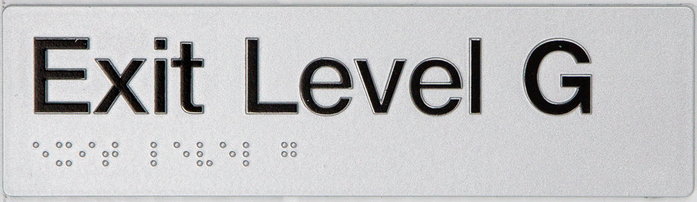
Tactile braille signs are specialised signage that combines raised text and Grade 2 braille, helping people with visual impairments steer buildings independently and safely. These signs feature key elements like raised characters, braille dots, and high-contrast colours to serve a wide range of needs within the vision-impaired community.
Key Components of Tactile Braille Signs:
- Raised text: Sans-serif uppercase letters raised from the surface for touch-reading.
- Grade 2 braille: Contracted braille positioned below the raised text.
- Pictograms: Universal symbols, such as restroom or exit icons.
- High contrast: Light text on a dark background or vice versa for readability.
- Non-glare finish: Matte surfaces that prevent light reflection.
These signs are not just about compliance; they are about creating inclusive spaces where everyone can move around with confidence. Whether it's finding a restroom, locating an exit, or identifying a meeting room, tactile braille signs remove barriers in public buildings, workplaces, healthcare facilities, and retail spaces across Australia.
Proper tactile braille signs can transform accessibility. At Pinnacle Signage, we help businesses across the country implement compliant signage solutions that make a genuine difference to people's daily navigation and safety.
The Essentials of Tactile Braille Signage
Accessible environments are a fundamental expectation for Australian businesses and public spaces. Tactile braille signs are a cornerstone of this commitment, offering tangible benefits that extend far beyond mere compliance.
What Are Tactile Braille Signs and Why Do They Matter?
Tactile braille signs are a vital tool for inclusivity, providing information through touch to help people with visual impairments understand their surroundings. They promote independence and safety, allowing individuals to identify rooms, find exits, and locate services without assistance.
For someone with low vision or blindness, navigating an unfamiliar building can be daunting. Clear, tactile cues prevent disorientation and potential hazards, offering peace of mind. Beyond the ethical imperative, Australian accessibility standards require compliant signage for permanent rooms and spaces. By investing in high-quality tactile braille signs, businesses create welcoming and safe environments for everyone, contributing to a more accessible community.
For a deeper dive into the importance of these signs, you can explore our guide: What are Braille Tactile Signs? A Simple Guide to Accessibility.
Tactile vs. Braille: Understanding the Key Differences
While often found together on the same sign, 'tactile' and 'braille' elements cater to different needs within the visually impaired community.
Tactile Signage: This refers to raised letters, numbers, or symbols that can be read by touch. It's especially helpful for people who lost their vision later in life and can still recognise letter shapes with their fingertips. The raised characters offer a familiar way to read.
Braille Signage: This is a specific system of raised dots representing letters and numbers. Braille is a distinct language learned by many who have been blind from a young age. Signage requires Grade 2 (contracted) braille, which uses abbreviations to increase reading speed. The dots must be rounded for comfortable and clear touch-reading.
A truly accessible sign includes both tactile letters and braille to serve the widest possible audience.
Common Materials and Types of Signs
The choice of material is crucial for durability and longevity in busy Australian environments.
Common materials include:
- Acrylic: A versatile and affordable option available in many colours for high contrast.
- Aluminium: A sleek, modern, and highly durable choice suitable for both interior and exterior use.
- Durable Plastics: Used for injection-moulded signs, offering a consistent, hard-wearing finish.
Our advanced manufacturing ensures all signs are crafted to precise standards.
The types of tactile braille signs we provide cater to a wide array of needs:
- Room Identification: For offices, meeting rooms, and classrooms (e.g., "Office 101").
- Amenities: For restrooms, accessible change rooms, and parking.
- Directional: To guide people to key areas like reception, lifts, or stairs.
- Egress and Safety: For emergency navigation, such as "EXIT" and "Stairway" signs.
- Elevator Signs: To indicate floor numbers and controls inside and outside lifts.
Practical Guide to Choosing and Installing Your Signs
Ensuring your premises are accessible is a sign of good business. When it comes to tactile braille signs, getting the details right is paramount. It’s not just about having a sign; it’s about having the right sign, installed correctly, to genuinely assist those who rely on them.
Key Features of Compliant Tactile Braille Signs
For a tactile braille sign to be effective, it must follow key design principles to ensure readability and compliance.
- Character and Font Style: Raised text must be in an uppercase, sans-serif font (like Arial or Helvetica). These simple, clean fonts are easier to distinguish by touch.
- Character Size and Spacing: Letters and numbers must be a specific size and have adequate spacing between them to be easily read with fingertips.
- Non-Glare Finish: The sign's surface must be matte and non-glare. Reflections from shiny surfaces can make signs unreadable for people with low vision.
- Colour Contrast: There must be a high contrast between the text and the background (e.g., light text on a dark background). This is vital for visual accessibility.
- Pictograms: Universal symbols, like those for restrooms, should be included for quick identification. They must be accompanied by tactile text and braille descriptors.
- Grade 2 Braille: Contracted (Grade 2) braille is the standard for signage. The dots must be domed for comfortable reading and positioned below the corresponding raised text.
By adhering to these specifications, we ensure that our tactile braille signs are not only compliant but genuinely helpful.
Best Practices for Installing Tactile Braille Signs
A perfectly designed sign is only effective if installed correctly. Improper placement can make it useless.
- Installation Height: Signs must be installed at a consistent height that is within easy reach for an adult standing or in a wheelchair.
- Location at Doors: For room identification, place the sign on the wall next to the latch side of the door. This predictable location helps users find it easily.
- Clear Floor Space: Ensure there is an unobstructed space in front of the sign. This allows a person to approach and read it by touch without being blocked by furniture, bins, or an open door.
- Avoid Mounting on Doors: As a general rule, avoid placing tactile signs on the door itself. A moving door can be a hazard, and the sign may be hidden when the door is open.
Installing tactile braille signs correctly is as important as their design. We work with our clients to ensure these critical placement guidelines are met, guaranteeing accessibility and safety.
Common Mistakes to Avoid with Tactile Braille Signs
Even with the best intentions, it's easy to make missteps when implementing tactile braille signs. Avoiding these common errors will save you time, money, and ensure your signs are truly effective:
- Using the Wrong Braille: Using Grade 1 (uncontracted) braille instead of the required Grade 2 standard is a common error. Most braille readers expect Grade 2.
- Incorrect Placement: Installing signs too high, too low, or in an unpredictable location makes them difficult to find and read.
- Obstructing Access: Placing furniture, bins, or other items in front of a sign prevents users from getting close enough to read it by touch.
- Poor Contrast or Glare: Signs with low colour contrast or a shiny finish are hard for people with low vision to read.
- Inconsistent Design: Using different sign styles, fonts, or placement throughout a building can be confusing and hinder navigation.
- DIY Solutions: Attempting to create tactile signs without professional equipment often results in non-compliant and unusable signage. Always partner with an experienced supplier.
By being aware of these pitfalls, you can ensure your investment in tactile braille signs truly pays off in terms of accessibility and compliance.
Finding the Right Signage Partner
Choosing the right partner for your tactile braille signage impacts compliance and the user experience in your building. At Pinnacle Signage, we are a trusted provider for Australian businesses.
We offer:
- Quality Manufacturing: We use advanced processes and premium materials to produce durable, high-quality signs.
- Customisation Options: We provide customisable designs, colours, and text to match your decor while meeting accessibility standards.
- Design Consistency: We help you maintain a cohesive and professional look across all your accessible signage.
- Expert Advice: Our experienced team offers guidance on choosing the right signs to meet your needs and accessibility requirements.
- Reliable Delivery: As an Australian company, we offer fast, Australia-wide shipping, with most items ready for dispatch in 2-4 business days.
We believe that tactile braille signs are an investment in inclusivity and safety. We're here to make that investment simple, effective, and hassle-free.
Explore our comprehensive guide on choosing the right signage for your business: How to Choose the Right Signage for Your Australian Business.
Get Your Compliant Tactile Braille Signs Today!
Ready to improve accessibility and compliance at your Australian business or public space? We offer a full range of high-quality, durable tactile braille signs designed to meet the needs of all users. From restroom identification to directional guidance, our signs ensure safe and easy navigation for the visually impaired.
We ship Australia-wide, making it convenient for businesses in Sydney, Melbourne, Brisbane, and beyond to access our premium signage solutions.
Shop our range of compliant signage and make your premises truly accessible.
- Explore our range of custom Hazchem Signage
- Explore our range of custom First Aid Signage
- Explore our range of custom Fire Signs
- Explore our range of custom Caution Signage
- Explore our range of custom Notice Signage
- Explore our range of custom Stock Farm Signs
- Explore our range of custom Biosecurity Signs
- Explore our range of custom Illuminated Stock Ahead Signs
- Explore our range of custom GHS Signage
Shipping & Pick Up
For most deliveries within Australia, we use courier services such as FEDEX; please note that couriers cannot deliver to PO Boxes, so provide a valid daytime delivery address. To ensure safe delivery, a signature is required upon receipt. You must be available to accept courier deliveries; re-delivery charges will apply if you are not present. Include a daytime phone number with your shipping details if we need to contact you about your delivery. For items weighing over 50kg, a tailgate delivery is usually required for residential addresses. This service is included in our standard shipping. Alternatively, you can choose to pick up the item from a nearby depot.
Free Shipping
Free shipping is available for orders over $100 AU Wide. Free shipping applies to most items on the site. However, some bulky items additional shipping costs will apply for deliveries to WA, North QLD, NT, TAS, and island areas. Our staff will reach out to you after your order if these charges apply.
Shipping & Production Time
Most items are ready for dispatch or pickup within 2-4 business days of receiving your order and payment confirmation. Delivery times are estimated as follows:
- 1 - 2 days: Sydney, ACT, Melbourne, Brisbane, Gold Coast
- 2 - 4 days: Rest of NSW, Rest of VIC
- 3 - 6 days: SA, North QLD, Perth
- 5 - 9 days: TAS, NT, WA
Pickup
Pickup is available at our warehouse, located at Unit 4/28 Nagle Street, East Wagga Wagga NSW. The warehouse is open from 8am to 5pm Monday through Friday. We are closed on weekends and public holidays. If you have any questions or need further information, please don't hesitate to contact us.