
The Ultimate Guide to Construction Safety Signage: Order Yours at Pinnacle Signage
Why Clear Signage is Non-Negotiable on a Construction Site
Construction sites are hives of activity with constantly evolving risks. This makes Construction site signs a critical safety mechanism, not just a recommendation. With the construction industry accounting for a significant percentage of workplace fatalities, every safety measure is vital to protecting lives.
To provide a quick overview, here's why these signs are indispensable:
- Prevent accidents: By warning of hazards and instructing safe behaviour.
- Ensure compliance: Meeting legal requirements and safety standards.
- Guide personnel: Directing workers, visitors, and traffic safely around the site.
- Communicate vital information: Such as mandatory PPE, emergency exits, and restricted access.
Effective signage transforms a high-risk environment into a more controlled and safer space. By warning of dangers, guiding traffic, and ensuring personal protective equipment (PPE) is worn, these signs are the first line of defence against preventable incidents. They communicate crucial information, reinforce safety protocols, and ensure smooth operations. This guide will walk you through selecting, placing, and maintaining the best signs for your construction site.
At Pinnacle Signage, we understand the need for reliable, quality Construction site signs that stand up to the demands of any Australian job site. We are dedicated to providing compliant signage that is delivered swiftly and with unparalleled service.
Your Guide to Essential Construction Site Signs
On any construction site, safety is paramount. Effective construction site signs are the backbone of a robust safety strategy, communicating vital information instantly and clearly. It’s not just about putting up a sign; it’s about using the right categories to keep everyone safe.
Understanding Safety Sign Categories by Colour and Shape
Safety signs use standardised colours and shapes to create a universal language, instantly conveying their core message. This visual coding is crucial in high-risk environments like construction sites.
Here's a breakdown of the five main categories:
-
Prohibition Signs: These signs mean "NO!" or "DO NOT!". They feature a red circle with a diagonal line through a black pictogram on a white background.
- Meaning: Indicates actions that are forbidden to prevent hazards.
- Examples: 'No Entry', 'No Smoking', 'No Access for Unauthorised Persons'.
-
Mandatory Signs: These signs tell you what must be done. They are identified by a blue circle with a white pictogram or text.
- Meaning: Specifies actions that are compulsory for safety.
- Examples: 'Hard Hats Must Be Worn', 'Eye Protection Must Be Worn', 'Keep This Area Clear'.
-
Warning Signs: These are your heads-up for potential dangers. They are yellow triangles with a black border and a black pictogram.
- Meaning: Alerts to potential hazards or dangerous conditions.
- Examples: 'High Voltage', 'Wet Floor', 'Dangerous Area', 'Asbestos', 'Men at Work'.
-
Safe Condition Signs: Guiding you to safety or essential equipment, these signs are green and rectangular or square with a white pictogram or text.
- Meaning: Indicates safe conditions, escape routes, or first aid facilities.
- Examples: 'First Aid Kit', 'Fire Exit', 'Emergency Shower', 'Assembly Point'.
-
Fire Equipment Signs: These signs direct you to fire-fighting equipment. They are red and rectangular or square with a white pictogram or text.
- Meaning: Identifies the location of fire alarms, extinguishers, or other fire-fighting apparatus.
- Examples: 'Fire Hydrant', 'Fire Extinguisher', 'Fire Alarm'.
Understanding these visual cues helps everyone on site quickly grasp critical safety information. For more detailed insights, you can find More info about the difference between sign types.
Must-Have Examples of Construction Site Signs
Beyond the general categories, certain construction site signs are essential for any project to address common hazards, direct personnel, and prevent accidents.
Here's a list of essential signs for most Australian construction sites:
- Site Entry/Exit Signs: Crucial for managing traffic flow and ensuring only authorised personnel enter. These often include contact details and site rules.
- PPE Required Signs: Mandatory signs indicating the Personal Protective Equipment (PPE) that must be worn, such as hard hats, safety glasses, and high-visibility vests.
- Hard Hat Area Signs: A common mandatory sign reminding everyone that head protection is compulsory.
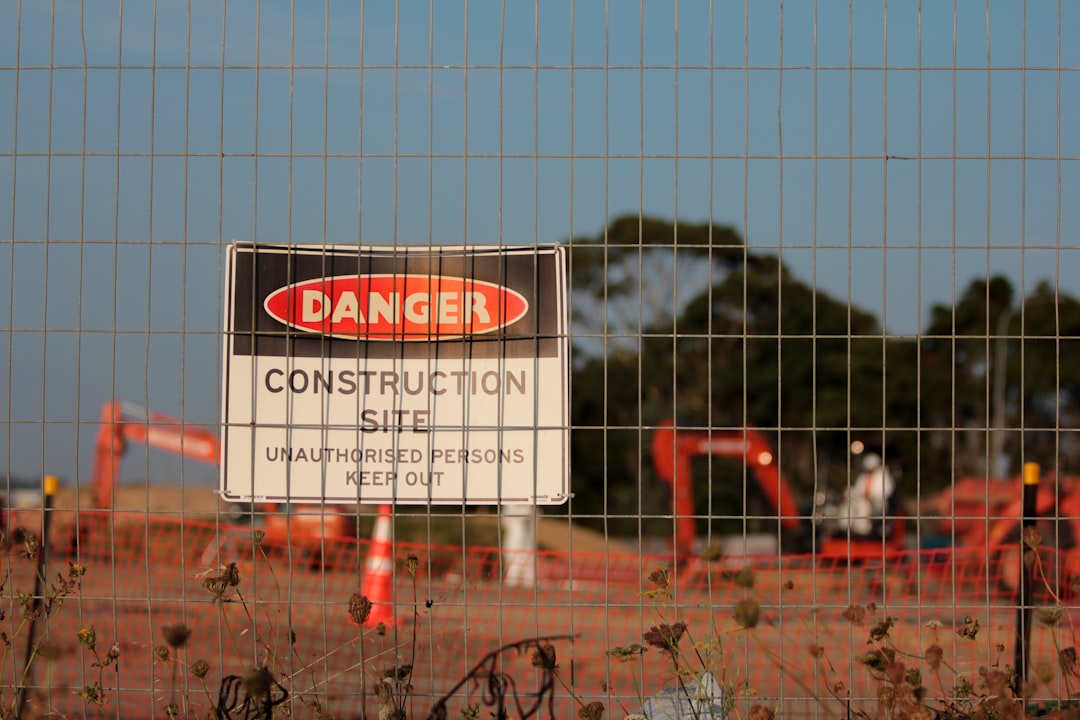
- Danger - Construction Site Signs: Warning signs that alert the public and unauthorised individuals to a hazardous area, often placed at site perimeters.
- Authorised Personnel Only Signs: Restrict access to specific areas, protecting workers and sensitive equipment.
- First Aid Station Signs: Vital safe condition signs directing people to the designated first aid point.
- Fire Extinguisher Signs: Clear fire equipment signs showing the location of extinguishers for immediate response to fires.
These examples highlight the breadth of information that construction site signs convey. Each sign plays a role in creating a safer working environment.
Understanding PPE signage is especially important, as it directly impacts worker safety. You can Learn more about PPE signs and their specific requirements.
Best Practices for Placing and Maintaining Your Signs
Having the right construction site signs is only half the battle; they must be seen and understood. Proper placement and consistent maintenance are critical to their effectiveness.
Here are our best practices for maximising the impact of your site signage:
- Visibility is Key: Signs must be clearly visible and at eye level. Avoid placing them behind obstructions like equipment or vegetation. Position them where they will be seen first by approaching traffic.
-
Strategic Placement:
- High-Traffic Areas: Place mandatory and warning signs at entry points and walkways.
- Hazard Proximity: Position danger signs as close as possible to the actual hazard.
- Decision Points: Use directional signs at intersections or where people need to make a choice.
- Illumination: For sites operating at night or in low light, ensure signs are well-lit or made from reflective materials.
-
Regular Inspection: Conduct frequent checks of all signage. Look for signs that are:
- Faded from sun exposure.
- Damaged, torn, or graffitied.
- Obscured by equipment or vegetation.
- Outdated due to changing site conditions.
- Cleaning: A regular wipe-down will keep your signs clear and readable.
- Damage Replacement: Promptly replace damaged or illegible signs. A compromised sign is a potential safety breach, and fast replacements are crucial.
Effective signage is a dynamic process that requires constant attention. For more specific guidance, you can find More about danger signs for work areas.
Choosing Durable and Compliant Signage for Your Project
When it comes to construction site signs, quality isn't just about looking professional—it's about creating safety systems that work when lives are on the line. Investing in durable, compliant signage from the start saves money, protects workers, and keeps your project running smoothly.
What to Look for in High-Quality Construction Site Signs
Australia's harsh climate demands robust signage. Between the scorching sun, driving rain, and physical impacts, your construction site signs need to be exceptionally durable.
The foundation of a good sign is its material durability. Aluminium is a top choice for permanent installations as it won't rust and is highly durable. For temporary projects, Corflute offers excellent value. This lightweight plastic handles weather well and is easy to install.
UV resistance is non-negotiable in Australia. Signs without proper UV-resistant inks can fade and become unreadable within months. Quality signs use specialised materials designed to withstand intense sun exposure.
Your signs also need to be weatherproof, capable of handling everything from downpours to extreme heat without warping, cracking, or peeling.
For sites operating in low-light conditions, reflective options are essential for visibility, especially when hit by vehicle headlights at night.
Look for suppliers who offer customisable text and graphics. Every site has unique hazards, and standard signs may not cover your specific risks. Experienced providers can help create custom messages that meet professional standards.
Finally, never underestimate the importance of clear pictograms and bold text. High-contrast colours and universally recognised symbols ensure your safety message is understood quickly.
Complying with Australian Safety Guidelines
Compliance isn't just about ticking boxes—it's about fulfilling your duty of care. Australian workplace health and safety regulations require you to provide appropriate warnings to prevent foreseeable harm, and quality signage is a crucial part of this legal obligation.
Effective risk management requires signs that act as control measures when hazards can't be eliminated. This means your signage strategy must be based on a thorough risk assessment.
Every construction site has site-specific needs. A demolition project requires different warnings than a new build. The key to compliance is clear communication that transcends language barriers, which is why standardised colours and shapes are so critical.
While we focus on practical applications, it's worth noting that Australian safety signs align with established guidelines. At Pinnacle Signage, we ensure our products meet these expectations, giving you confidence in their effectiveness and compliance.
Equipping Your Site with the Right Signage
Getting your signage right requires a strategic approach. The most effective sites treat signage as an integrated safety system, not an afterthought.
Start with a comprehensive site assessment. Walk your site to identify dangers, map traffic flow, and note areas where specific instructions are needed. Consider how your site will evolve, as today's safe zone might be tomorrow's excavation area.
Your hazard identification should cover everything from overhead risks and electrical dangers to ground conditions and restricted areas. Don't forget traffic flow for both vehicles and pedestrians.
This is where an experienced signage partner like Pinnacle Signage adds value. Our Australian-based manufacturing facility allows us to create custom solutions for unique hazards or branded signs quickly and efficiently.
Project safety improves dramatically when signage is part of your overall safety culture. This investment in visual communication pays dividends in reduced incidents, improved efficiency, and better compliance.
From essential safety warnings to specialised applications, our comprehensive range covers all construction site needs. You can browse our range of construction site safety signage to see how specialised signage addresses specific safety requirements.