

A Guide to Bus Lane Signage in Australia
What Is Bus Lane Signage and Why Does It Matter?
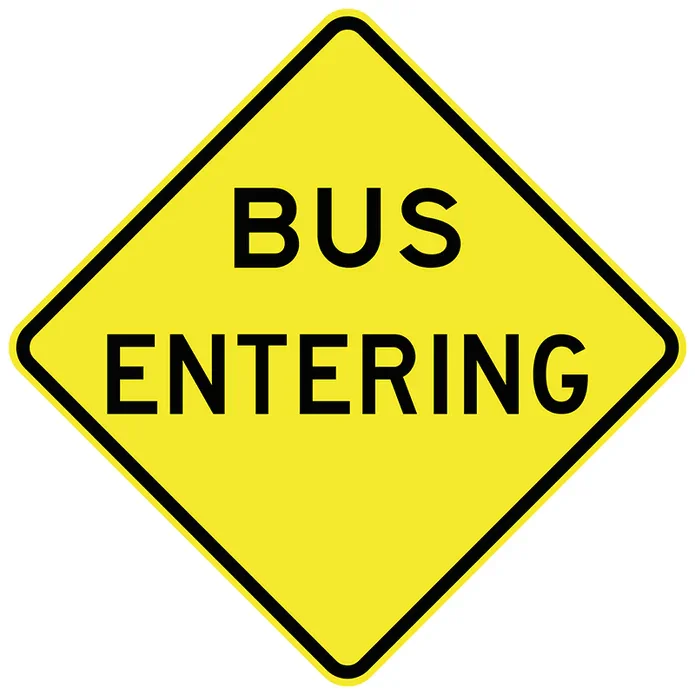
Bus lane signage is the system of regulatory signs, road markings, and painted surfaces used to define, communicate, and enforce lanes reserved for buses and other permitted vehicles on public roads. The system encompasses several critical components, including upright regulatory signs, time plates, pavement markings, and coloured road surfaces, which are typically red. These regulations apply to drivers, cyclists, motorcyclists, taxi operators, and transport planners, primarily on major urban routes, city centres, and high-frequency transit corridors. The primary purpose is to improve bus reliability, reduce congestion, and keep public transport moving efficiently. A key rule is that if no hours are shown on the sign, the restriction applies at all times.
Bus lanes are not just a courtesy to public transport. They are a legally enforced part of the road network. Getting it wrong, whether you are a driver unfamiliar with local rules or a council responsible for installing compliant signs, can result in penalties, failed appeals, or unsafe road conditions.
Dedicated bus lanes are typically applied on major routes where buses run at least every 10 minutes at peak times, or where traffic congestion poses a real risk to service reliability. When the signage is clear, consistent, and correctly installed, the whole system works. When it is not, enforcement breaks down and safety suffers.
I'm Doug Lindqvist, General Manager of Pinnacle Signage, an Australian-owned manufacturer with experience supplying durable, regulation-grade signage, including road and traffic safety signs across the country. This article draws on that background to break down everything you need to know about bus lane signage, from what the signs mean to how they must be installed to be legally enforceable.
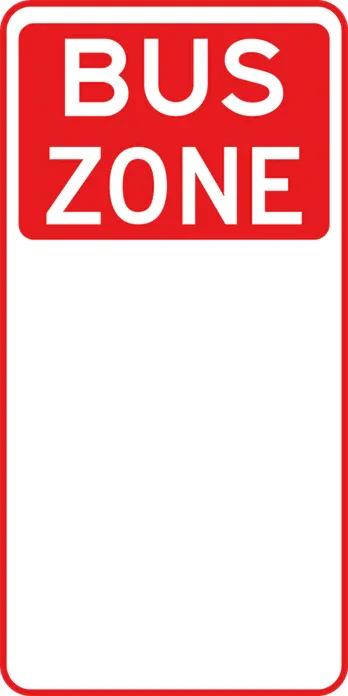
Understanding Standard Bus Lane Signage and Markings
In Australia, particularly across New South Wales, bus lane signage consists of a combination of vertical signs and horizontal road markings. These work together to ensure that drivers are alerted well in advance of a restricted zone.
With-Flow and Contraflow Lanes
Most bus lanes you encounter are "with-flow" lanes. These are situated on the far left of the carriageway, moving in the same direction as the general traffic. They are designed to allow buses to bypass queues at intersections.
Contraflow lanes are different. These allow buses to travel in the opposite direction to the rest of the traffic on a one-way street. Because these are inherently more dangerous for pedestrians and oncoming drivers, the signage requirements are much stricter. You will often see specific warning signs for pedestrians to "Look Both Ways" or "Look Right" to account for buses moving against the expected flow of traffic.
The Power of Red Paint
You have likely noticed that many bus lanes are painted bright red. While not a legal requirement for a lane to be enforceable, red bus lane paint has been shown to significantly deter both unauthorised driving and illegal parking. In high-conflict areas, such as busy CBD streets or near major shopping centres, this visual "barrier" is essential.
According to industry data, while red paint has higher installation and maintenance costs, its effectiveness in keeping lanes clear for transit justifies the investment for local councils. For more on how we categorise these types of road indicators, you can explore our guide on road signs in NSW.
Identifying Bus Lane Signage in Australia
In Australia, regulatory signs typically feature a white bus symbol on a blue background. Road markings are equally important, often featuring the words "BUS LANE" in large white letters to ensure drivers are aware of the restriction well before they enter the zone.
Maintenance and Durability of Bus Lane Signage
At Pinnacle Signage, we know that a sign is only effective if it can be seen. In the harsh Australian climate, UV radiation and extreme weather can cause signs to fade or peel. If a sign becomes illegible, the restriction may become legally unenforceable.
We manufacture our road traffic safety signs using high-grade reflective materials that comply with AS 1742. This ensures that the signs remain visible at night and during heavy rain, which is when most accidental bus lane incursions happen.
Legal Exemptions and Permitted Entry for Non-Bus Vehicles
One of the most common questions we hear is: "When can I actually drive in a bus lane?" In NSW, there are very specific scenarios where general traffic is permitted to enter these restricted zones.
Turning Manoeuvres and the 100-Metre Rule
If you need to turn left into a side street or a private driveway, you are generally permitted to enter the bus lane to prepare for that turn. However, you can only do so for a maximum distance of 100 metres. Entering the lane 500 metres back to "beat the queue" is a ticketable offence.
Hazard Avoidance and Emergencies
If there is a breakdown, a fallen tree, or an emergency vehicle approaching with sirens blaring, you are permitted to enter a bus lane briefly to avoid the hazard or clear the way. The keyword here is briefly. You must merge back into general traffic as soon as it is safe to do so.
For a deeper look at how to handle unexpected road situations, check out our article on road hazard signs explained know before you go.
Permitted Vehicles and Special Cases
Not all "bus lanes" are for buses only. Depending on the specific signage, other vehicles may be allowed:
- Taxis and Hire Cars: In many NSW jurisdictions, Taxis and T-way vehicles can use bus lanes.
- Motorcycles and Bicycles: These are often permitted in bus lanes to improve their safety and transit speed, unless a sign explicitly says "Buses Only" (which excludes everyone else).
- Authorised Vehicles: This might include maintenance trucks or emergency services.
Always check the Bus, tram, truck and transit lanes - NSW Government page for the most current local regulations.
Time Restrictions and Bank Holiday Rules
Many bus lanes are "part-time." They might only operate from 6:00 AM to 10:00 AM and 3:00 PM to 7:00 PM on weekdays. Outside these hours, they function as normal traffic lanes or parking zones.
Important Note: If a bank holiday falls on a Monday, and the sign says "Mon-Fri," the restriction still applies unless the sign specifically excludes public holidays. This is a common trap for drivers who assume "holiday" means "weekend rules."
Enforcement Methods and Compliance for Drivers
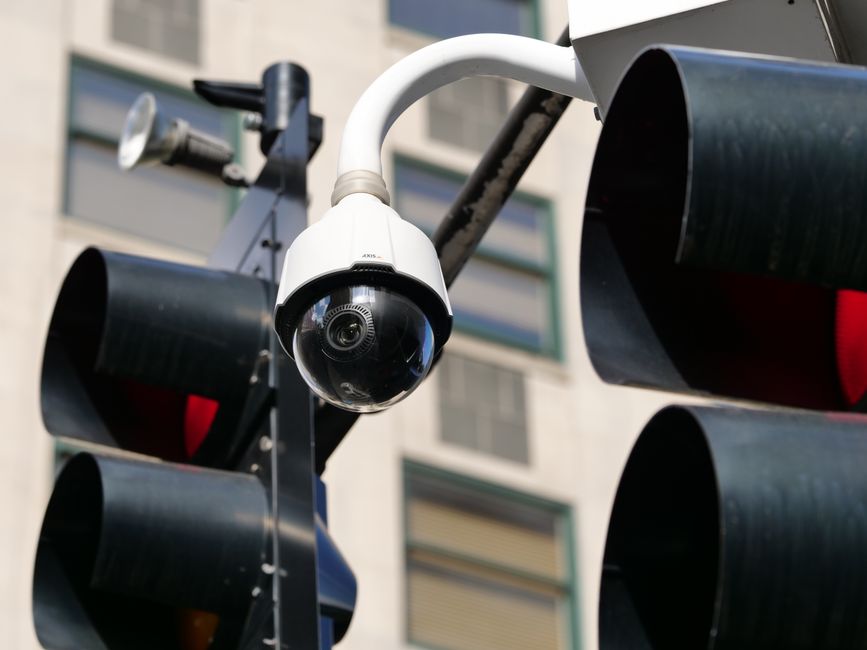
Enforcement has evolved significantly since May 2026. Most major cities now use automated systems to monitor bus lane compliance.
Camera Systems and Fines
Fixed video cameras and bus-mounted cameras are now standard. These systems capture the number plate of any unauthorised vehicle that travels in the lane for more than the permitted distance. In NSW, the fines can be substantial, often exceeding $300 and carrying demerit points in certain zones.
For more information on the current penalty rates, the NSW Bus Lane Rules: Fines and who can use them - NRMA is an excellent resource for drivers.
Identifying Restrictions as a Visitor
If you are driving a car hire in a new city, the pressure to navigate can lead to mistakes. Car hire companies often receive the fine weeks after your trip and will pass that cost on to you, along with a hefty "administrative fee."
As a visitor, your best strategy is to:
- Scan for time plates: Never assume a lane is open just because it is empty.
- Look for red paint: If the road is red, stay out unless you are turning.
- Ignore navigation apps: Sometimes GPS apps are slow to update on bus lane times. Trust the physical bus lane signage over your phone.
We often provide advice to site managers on road construction signage requirements 101 to ensure visitors aren't accidentally funnelled into restricted lanes during roadworks.
Challenging Unfair Penalties
If you receive a fine, check the evidence. Many bus lane appeals are upheld because:
- The road markings were faded or obscured by dirt.
- The vertical signage was hidden by overgrown trees or other structures.
- The signs were not placed at the correct legal intervals.
It is illegal for an authority to enforce a bus lane that is not correctly signed. If the signage doesn't meet the technical standards we discuss in the next section, you may have grounds for an appeal.
Technical Requirements for Enforceable Bus Lane Signage
For a bus lane to be legal, it must follow strict engineering guidelines regarding the placement and visibility of signs.
Signage Placement and Visibility Standards
The "30-metre rule" is a standard benchmark in many 50-60 km/h zones. This means a driver must have a clear, unobstructed view of the bus lane start sign from at least 30 metres away. In higher speed zones (80 km/h+), this distance increases to 45 metres or more to allow for safe braking and merging.
Repeater signs are also required. On long stretches of road, drivers might forget they are in a restricted zone. Regulations typically require repeater signs to be placed every 300 metres or after every major intersection. For a deep dive into the regulatory framework, you can refer to the relevant Australian Standards for traffic control devices.
Pavement Markings and Red Paint Standards
Horizontal markings are just as vital as vertical signs. A solid white line usually separates the bus lane from general traffic. Crossing this line is prohibited except for the allowed exemptions (like turning).
The words "BUS ONLY" or "BUS LANE" must be marked at the beginning of the lane and after every intersection. In "high conflict" locations - where accidents frequently occur - Australian road safety guidelines recommend the use of durable red-coloured pavement to provide maximum contrast.
Frequently Asked Questions about Bus Lanes
Can I enter a bus lane to make a turn?
In most Australian jurisdictions, including NSW, you may enter a bus lane for up to 100 metres to turn left into a side street or driveway, provided it is safe to do so. You must not use the lane to overtake other traffic before making your turn.
Are bus lane restrictions active on bank holidays?
Yes, unless the signage explicitly states otherwise (e.g., "Excluding Public Holidays"), bus lane restrictions apply on bank holidays if they fall on a day of the week normally covered by the time plate. Always read the sign as if it were a normal working day.
Bus Lane Signs, Made Simple
Understanding bus lane signage is about more than just avoiding a fine; it is about ensuring the smooth flow of our urban environments. Whether you are a driver trying to navigate Sydney's CBD or a project manager in Wagga Wagga looking to install compliant traffic systems, clarity is key.
At Pinnacle Signage, we take pride in being the premier safety signage manufacturer in East Wagga Wagga, NSW. We understand the regional needs of New South Wales and the strict Australian Standards required for road safety. We offer:
- Local Production: Manufactured right here in East Wagga Wagga.
- Fast Turnaround: Dispatch within 48 hours for most orders.
- Reliable Delivery: Free shipping over $100 Australia-wide (exceptions apply).
- Convenient Pickup: Warehouse pickup available Mon-Fri, 8am-5pm.
If you need high-quality, durable signage that stands up to the elements and keeps you compliant, we are here to help. You can browse our full range of Pinnacle Signage Collections online.
Let’s keep our roads safe and our transit moving.