

From Parking to Playgrounds: A Comprehensive Look at NSW Signage Regulations
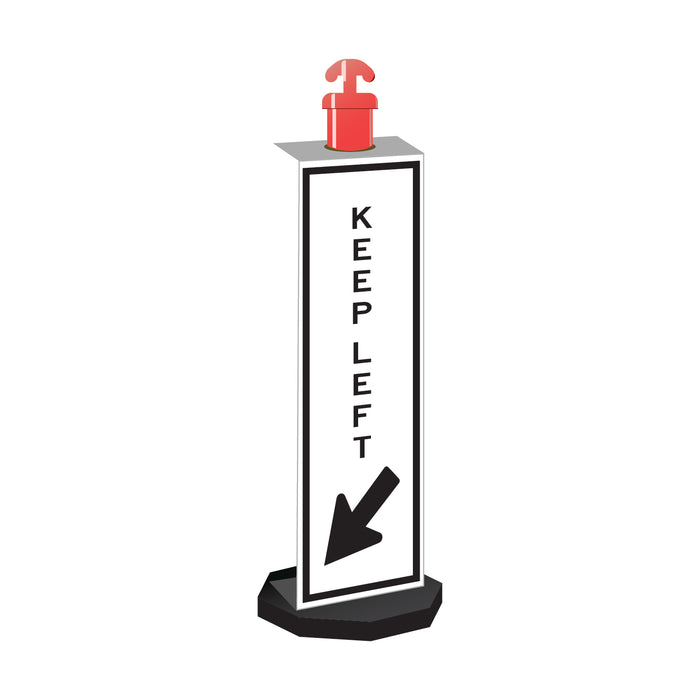
When we look at the landscape of Road signs NSW, it is easy to see them as just metal on poles, but they are actually a sophisticated language. This language is governed by strict Australian Standards to ensure that a driver from Wagga Wagga understands a sign just as clearly as someone driving through Sydney's CBD.
The primary categories we deal with at Pinnacle Signage include regulatory, warning, guide, and information signs. Each serves a specific psychological and functional purpose. For instance, the use of high-visibility yellow for warnings is designed to trigger an immediate "caution" response in the human brain. You can find more technical details on how these are classified at the official Signage | Transport for NSW resource.

Regulatory Road signs NSW: Rules and Compliance
Regulatory signs are the "law" of the road. These are not suggestions; they are instructions that carry legal weight. If you see a red and white octagonal Stop sign, you must come to a complete halt behind the line. Similarly, Give Way signs require you to slow down and, if necessary, stop to let other vehicles pass.
Prohibitive signs fall under this category as well. These often feature a red circle with a slash or a solid red disc to indicate actions that are strictly forbidden. For example, a No Entry sign means you cannot enter that road or ramp under any circumstances, often because it is a one-way street or an exit-only lane. Understanding these is vital for avoiding heavy fines and demerit points. For a deeper dive into these specific types, check out our guides on Stop Look Listen: Understanding Prohibitive Road Signs and No Entry Signs Demystified.
Warning Road Signs NSW: Identifying Hazards
Warning signs are your "heads-up" for what lies ahead. In NSW, these are almost always diamond-shaped with black symbols on a yellow background. They alert us to permanent physical conditions like sharp curves, steep descents, or upcoming intersections.
One common feature of warning signs is the "Advisory Speed" plate. This is a small yellow rectangular sign mounted below a warning sign (like a curve symbol) that suggests a maximum safe speed for that hazard in good conditions. While not the legal speed limit, failing to heed an advisory speed limit during an accident can be used as evidence of negligent driving. You can see a full gallery of these hazards on the Warning road signs page or read our explanation in Road Hazard Signs Explained: Know Before You Go.
Speed Limits and Special Traffic Zones
Speed limits are the most frequently encountered Road signs NSW. In our state, the default speed limit is 50km/h in built-up areas where there are street lights and no signs. On the open road, the default is 100km/h unless otherwise signposted. However, many motorways are now zoned at 110km/h.
School Zones and Pedestrian Safety
School zones are a critical part of our local infrastructure. These are time-based zones, usually operating from 8:00 am to 9:30 am and 2:30 pm to 4:00 pm on school days. The 40km/h limit is strictly enforced to protect our most vulnerable road users.
Beyond schools, you will encounter "Shared Zones" (usually 10km/h) where pedestrians have right-of-way over vehicles. These are often found in high-traffic shopping precincts or residential laneways. It is important to look for the "Children Crossing" flags and signs, which indicate that a crossing is active. For more on how to navigate these areas safely, read our guide Walk This Way: Understanding All Road Signs for Pedestrians.
Navigating Roadworks and Temporary Conditions
Roadwork signage is designed to protect two groups: the drivers passing through and the workers on the ground. These signs are part of the "T-Series" and are often bright orange or yellow to distinguish them from permanent hazards.

Safety for Workers and Drivers
When we manufacture roadwork signs at our East Wagga Wagga facility, we ensure they meet the specific retro-reflective requirements for night-time visibility. Common signs include "Workers Ahead," "Road Plant Ahead," and "Prepare to Stop."
In many cases, you will encounter hand-held "Stop/Slow" bats used by traffic controllers. These have the same legal authority as a permanent Stop sign. Other temporary signs might warn of "Loose Surface," "Gravel Road," or "Potholes" - all of which require an immediate reduction in speed to maintain vehicle control. For site managers, we have detailed these requirements in our Construction Traffic Signs 101: What Every Driver Should Know.
Understanding Detours and Lane Changes
Construction often requires lane closures. Signs like "Left Lane Ends" or "Merge Right" are usually placed well in advance to allow traffic to flow smoothly. If a road is completely closed, "Detour" signs with arrows will guide you through an alternative route. Following these precisely is the best way to avoid getting lost or stuck in heavy machinery areas. We explain the logic behind these routes in Understanding Detour Signs: How to Read and Follow Temporary Traffic Routes.
Parking, Stopping, and Access Restrictions
Parking signs in NSW can be complex because they often pack a lot of information into a small space. They tell you where you can park, for how long, and at what times.
Clearways and Transit Lanes
Clearways are the most restrictive parking zones. During the hours shown on the sign, you cannot stop for any reason - not even to drop off a passenger. If you do, your vehicle will likely be towed. Clearways are designed to keep traffic moving during peak hours.
Transit lanes (T2 and T3) are another common restriction. A T2 lane requires the driver plus at least one passenger, while a T3 lane requires at least two passengers. These are designed to encourage carpooling and reduce the number of vehicles on the road. For property owners and managers, we offer solutions like the Reflective No Parking sign and the Bollard No Parking Sign to manage local access.
Animal and Wildlife Hazards
In regional areas like Wagga Wagga, animal hazards are a very real part of daily driving. The kangaroo warning sign is iconic, but you may also see signs for wandering stock (cattle and sheep), koalas, or even emus.
These signs often include a distance, such as "Next 30km," indicating the area where you are most likely to encounter wildlife. When you see these, especially at dawn or dusk, it is wise to reduce your speed and scan the road edges. Farmers and station owners can find compliant signage for their property boundaries in our Stock Farm Signs collection.
Sourcing Compliant Signage in New South Wales
Maintaining safety on our roads starts with using the right equipment. At Pinnacle Signage, we take pride in being a premier manufacturer of Road signs NSW that meet every legal requirement. Because we are based in East Wagga Wagga, we understand the specific needs of both metropolitan Sydney and regional NSW councils.
Local Production and Fast Dispatch
We don't just sell signs; we manufacture them. This means we have total control over the quality and the speed of production. We offer 48-hour dispatch on most standard orders and provide the convenience of warehouse pickup for our local regional clients.
Whether you need a single custom sign or a bulk order for a major infrastructure project, we provide the regional expertise required for local compliance. For more information on local compliance, see Navigating Safety Signage in New South Wales: Your Essential Guide.
Frequently Asked Questions about NSW Road Signs
What is the default speed limit in NSW if no signs are present?
In built-up areas with street lights, the default is 50km/h. In "open" areas without street lights or signs, the default is 100km/h. Always drive to the conditions, regardless of the limit.
Do I have to obey advisory speed signs on curves?
While advisory speed signs (yellow) are not the legal limit, they are calculated based on the maximum safe speed for a standard vehicle in good conditions. Ignoring them significantly increases your risk of an accident and could lead to "negligent driving" charges if a crash occurs.
What are the penalties for stopping in a Clearway?
Stopping in a Clearway during restricted hours usually results in a heavy fine and an immediate tow-away. You will then be responsible for paying the towing fee and storage costs to retrieve your vehicle from the holding yard.
Reading the Road Ahead
Understanding Road signs NSW is about more than just passing a test - it is about contributing to a culture of safety on our roads. From the regulatory signs that keep order to the warning signs that protect us from hazards, every piece of signage plays a vital role.
At Pinnacle Signage, we are committed to supporting this safety network by producing high-quality, Australian-standard signage right here in East Wagga Wagga. We make it easier than ever for businesses and individuals to access the safety products they need with fast, reliable delivery across the state.
If you have questions about specific signage requirements for your project or need custom solutions that meet NSW regulations, we are here to help. Contact Pinnacle Signage today or visit our warehouse to discuss your needs with our local experts.