

Glowing Reviews: Why Your Building Needs Fire Fighting Signs Today
What Are Fire Fighting Signs and Why Does Your Building Need Them?

Fire fighting signs are standardised safety signs used to identify the location of fire equipment, emergency exits, alarms, and suppression systems throughout a building or worksite. Under Australian Standard AS 1319, these signs follow a consistent format - red background, white text, and recognised pictograms - so that anyone on site can find critical equipment fast, even under pressure.
Here is a quick overview of what fire fighting signs cover:
- Fire extinguisher signs - mark the location and type of extinguisher (Class A, B, C, D or E)
- Fire hose reel signs - identify hose reels and layflat hose connection points
- Fire hydrant signs - mark above-ground and below-ground hydrant access points
- Fire alarm signs - indicate alarm call points and alarm panel locations
- Fire door signs - communicate door operation requirements during an emergency
- Sprinkler booster valve signs - identify water pressure connection points for firefighters
- Fire blanket signs - mark the location of blankets, common in kitchens and workshops
- Evacuation route signs - guide occupants and emergency services to exits
Together, these signs form a system that helps both building occupants and emergency responders act quickly and confidently when every second counts.
I'm Doug Lindqvist, General Manager of Pinnacle Signage - an Australian-owned manufacturer based in East Wagga Wagga, NSW. My background in the safety and industrial supply space has shown me how critical compliant, high-visibility fire fighting signs are to keeping Australian workplaces safe and audit-ready. In this guide, I'll walk you through everything you need to know to get your signage right.
Fire fighting signs vocabulary:
Understanding the Role of Fire Fighting Signs in Australian Safety
In April 2026, the importance of maintaining a safe workplace is higher than ever. For facility managers and business owners across New South Wales, Fire fighting signs are not just a "nice to have" - they are a core component of OHS compliance. According to SafeWork Australia, businesses have a legal obligation to ensure that fire protection equipment is clearly identified and accessible.
Following Australian Standard AS 1319 is the best way to meet these requirements. This standard dictates that fire-related signs must feature a bright red background with white text and symbols. This specific colour coding is designed for instant recognition. In a smoke-filled room or a high-pressure emergency, your brain is trained to look for that specific shade of red to find a way to fight the flames.
Beyond just avoiding legal trouble, effective signage is about risk mitigation. If a small fire breaks out in a staff kitchen, a clearly marked fire blanket or extinguisher can be the difference between a minor incident and a total loss of property. Proper signage also assists emergency services. When the local fire brigade arrives at your site in Wagga Wagga, they need to find hydrants and booster valves immediately. Clear Fire fighting signs act as a roadmap for these heroes, allowing them to do their jobs more efficiently.
For a deeper dive into how these signs protect your assets, you can read all about fire signs safety or check out our essential guide to fire and safety signs.
Essential Types of Fire Equipment Signage

Every building has different needs based on its size, purpose, and the materials kept inside. However, there are several "staple" signs that almost every Australian business will require.
- Fire Extinguisher Signs: These indicate where the extinguisher is located. They often include a pictogram of the extinguisher and text.
- Fire Hose Reel Signs: Essential for larger commercial spaces, these signs mark the location of the reel and ensure it isn't blocked by pallets or furniture.
- Fire Blanket Signs: Usually found in kitchens or near flammable liquid storage, these highlight small but vital tools for smothering flames.
- Alarm Call Points: These signs mark the "break glass" points where an alarm can be manually triggered.
- Sprinkler Boosters: Often found on the exterior of buildings, these help firefighters increase water pressure to the internal sprinkler system.
Because we understand that safety needs to be accessible, we have partnered with Bunnings to make our products available where you already shop. You can order fire signage at Bunnings both in-store and online for quick local access.
Identifying Extinguisher Locations with Fire Fighting Signs
Not all fires are the same, and neither are all extinguishers. Using the wrong type of extinguisher on a specific fire can be dangerous. For example, using water on an electrical fire is a major hazard because water conducts electricity.
That is why Fire fighting signs often include information about the classes of fire (A through E) the equipment is suited for. High-visibility location arrows are also crucial. These are often mounted high on the wall or even on the ceiling (projecting signs) so they can be seen from across a warehouse, even if there are shelves or machinery in the way.
To ensure your equipment is always visible, you should order your fire extinguisher signs and mount them at a height that remains unobstructed by daily operations.
Marking Hydrants and Hose Reels
For larger properties, particularly in agricultural or industrial sectors around Wagga Wagga, marking hydrants is a top priority. Above-ground hydrants are easy to spot if they are painted red, but they still require signage to comply with local regulations. Below-ground hydrants are much harder to find in a hurry, often requiring white-painted flaps and specific "no parking" indicators to keep them clear.
In multi-story buildings, internal hydrants often use layflat hoses. These are practical because they can be extended through corridors without kinking as easily as a standard garden hose. Marking these connection points and the booster valves that feed them is essential for the fire brigade.
If you are managing a farm or a large warehouse, you might find our fire hose reel guide or our overview on how to find your perfect fire hydrant sign particularly helpful.
Material Selection for Durability and Visibility
Australia's climate is tough on signage. Between the scorching UV rays in the summer and the dust of the Riverina, "cheap" signs simply don't last. At Pinnacle Signage, we focus on materials that stand the test of time.
- Rust-free Aluminium: This is the gold standard for outdoor signage. It doesn't corrode and can handle the harshest Australian environments.
- UV-stabilised Polypropylene: A great "all-rounder" for both indoor and outdoor use. The UV stabilisation prevents the sign from becoming brittle and cracking in the sun.
- Self-adhesive Vinyl: Perfect for smooth, indoor surfaces like doors or glass. We use high-tack adhesives to ensure they don't peel off over time.
- Photoluminescent (Glow-in-the-Dark): These are essential for areas where power failure could lead to total darkness.
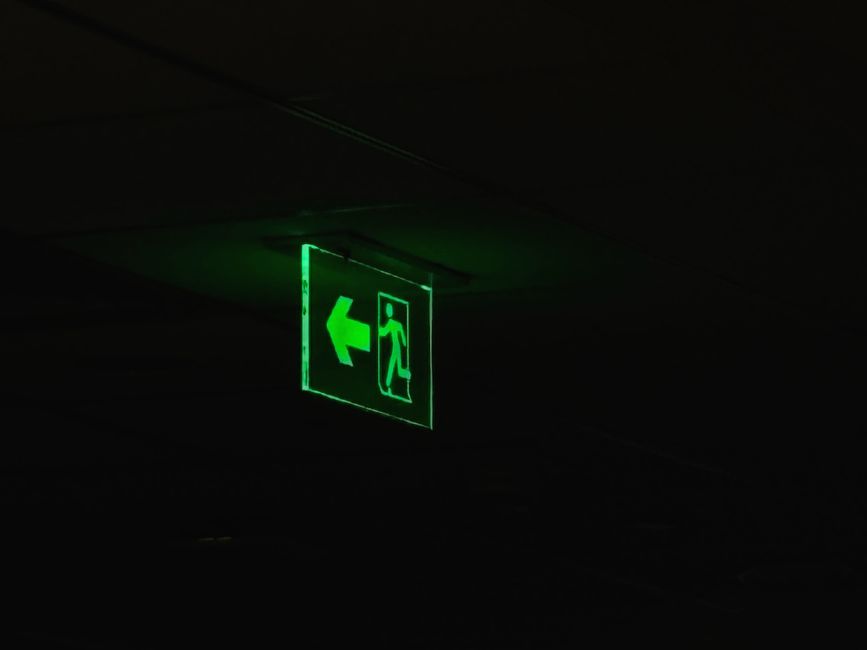
The Benefits of Glow-in-the-Dark Fire Fighting Signs
When a fire breaks out, power failure is a common occurrence. If the lights go out and the building fills with smoke, standard signs become invisible. This is where photoluminescent technology shines - literally.
These signs absorb natural or artificial light during the day and emit a bright glow when the lights go out. This ensures that even in total darkness, occupants can find the fire extinguisher or the nearest exit. This technology is a key part of AS 2293 standards for emergency lighting and exit signage.
To see our full range of high-visibility options, you can shop fire signage collections on our website, or learn more in our guide to fire escape signs.
Installation and Maintenance Best Practices
Buying the right Fire fighting signs is only half the battle; you also need to install them correctly.
- Mounting Height: Signs should generally be mounted at eye-level (approx. 1500mm to 1800mm from the floor) for maximum visibility. However, location markers for extinguishers should be higher to ensure they can be seen over partitions.
- Mounting Methods: For permanent installations on brick or concrete, using pre-drilled mounting holes and screws is best. For temporary sites or smooth metal surfaces, industrial-strength adhesives or double-sided tapes are effective.
- Visibility: Never place a sign where it can be obscured by an open door, a stack of boxes, or office plants.
- Maintenance: Signs should be wiped clean of dust and grime during your regular fire safety inspections. If a sign has faded significantly due to UV exposure, it must be replaced to remain compliant.
For more tips on keeping your signage in top shape, check out the lowdown on fire notice signage or our detailed guide on fire door signs.
Frequently Asked Questions about Fire Safety
How often should fire fighting signs be inspected?
We recommend checking your signs at least every six months, usually at the same time your fire extinguishers are serviced. Look for fading, peeling, or any obstructions that might have appeared since the last check.
What are the height requirements for extinguisher signs?
While there is some flexibility, the general rule is to have a sign directly above the extinguisher at eye-level, and a secondary "location" sign higher up (usually 2 metres or higher) if the extinguisher is located in a large open area like a warehouse.
Can I use vinyl stickers for outdoor fire equipment?
While high-quality vinyl can last a few years, we generally recommend aluminium or polypropylene for outdoor use in Australia. The heat and UV levels can cause vinyl to shrink or fade much faster than rigid materials.
Make Fire Fighting Signs Easy to Spot
At Pinnacle Signage, we take pride in being a local manufacturer based right here in East Wagga Wagga, NSW. We understand the specific needs of Australian businesses, from local retail shops to large-scale agricultural operations. Because we manufacture our own products, we can offer a 48-hour dispatch on most orders and provide the kind of regional expertise you won't find with overseas suppliers.
Whether you need a single fire extinguisher sign or a complete site-wide safety overhaul, we are here to help. We offer free shipping on orders over $100 AU wide (some exceptions apply), and if you're local, you can stop by our warehouse for pickup between 8 am and 5 pm, Monday to Friday. Plus, with our products available through Bunnings, getting compliant has never been easier.
Ready to secure your building? Contact our signage experts today.