

Ultimate Checklist for Fire Signage Compliance
Why Fire Signage Compliance Could Save Lives in Your Workplace

Fire signage is a legal requirement in Australian workplaces - and getting it wrong can put lives at risk and expose your business to serious liability.
Here is a quick overview of what compliant fire signage involves:
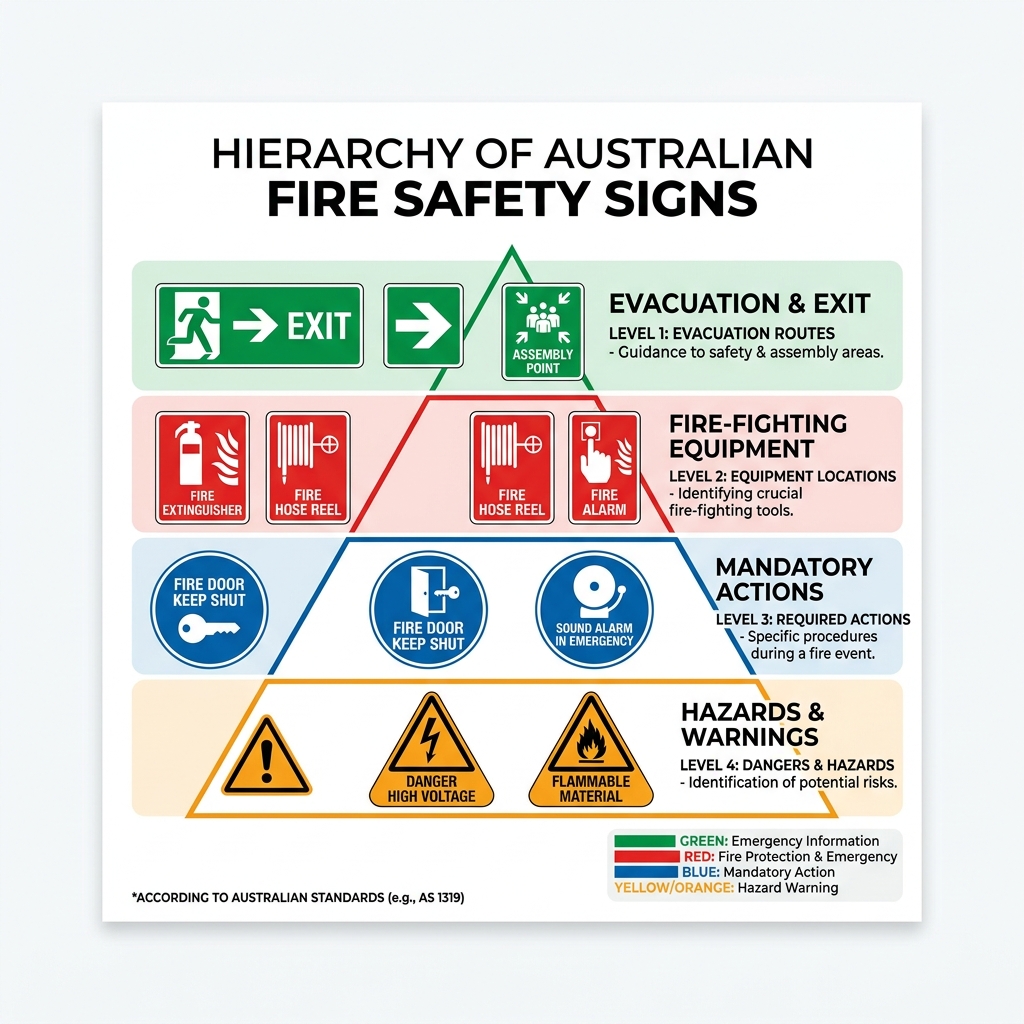
- Types required: Fire extinguisher location signs, fire hose reel signs, fire hydrant signs, fire alarm signs, emergency exit signs, and directional arrows to assembly points
- Key standard: AS 1319 governs the design and layout of safety signs in Australian workplaces
- Materials: Choose from self-adhesive vinyl, rigid plastic, aluminium, or photo-luminescent, depending on your environment
- Placement: Signs must be mounted at eye level, unobstructed, and visible from the required viewing distance
- Maintenance: Inspect signage every six months as part of your fire safety routine
Getting this right is not just about ticking a box. In a real emergency, the right sign in the right place can make the difference between a fast, calm evacuation and a dangerous situation.
As one industry source put it plainly: "A lot can happen in seconds during a fire" - which is exactly why clear, durable, and correctly placed signage matters so much.
I'm Doug Lindqvist, General Manager of Pinnacle Signage, and my background in the safety and industrial supply space has shown me time and again how critical proper fire signage is for businesses across every sector. In this checklist, I'll walk you through everything you need to know to stay compliant and keep your people safe.
Explore more about fire signage:
Essential Types of Fire Signage for Australian Workplaces
When a fire breaks out, panic is the enemy. Clear fire signage acts as a silent guide, pointing people toward the tools they need to fight the flames or the path they need to take to escape them. In Australia, we categorise these signs to ensure they are instantly recognisable, usually featuring a red background with white text or symbols for fire-fighting equipment.
The most common signs you will need include:
- Fire Extinguisher Location Signs: These must be placed directly above the extinguisher so they can be seen from a distance, even if the unit itself is tucked in a corner or behind a desk.
- Fire Blanket Signs: Often found in hospitality kitchens or staff break rooms, these identify where to find blankets for small cooking fires.
- Fire Hydrant and Hose Reel Signs: Essential for larger commercial or industrial sites, these help both staff and emergency services locate high-volume water sources.
- Fire Door Signs: These are vital for containment, reminding occupants to keep doors shut to prevent the spread of smoke and fire.
For a deeper dive into the different categories, check out our essential guide to fire and safety signs types and meanings.
Identifying Fire Signage for Equipment and Alarms
It is not enough to just have an extinguisher on the wall; you need to identify what kind of fire it is for. Using a water extinguisher on an electrical fire is a recipe for disaster. Compliant fire signage often includes symbols or text explaining the fire class (e.g., Class A, B, or E).
We also provide specialised signage for:
- Fire Alarm Signs: Clearly mark the manual call points so anyone can raise the alarm quickly.
- Sprinkler Booster Signs: These allow the fire brigade to quickly find the valves needed to boost water pressure to the building's sprinkler system.
You can order your fire extinguisher signs at Pinnacle Signage to ensure your equipment is always visible, or find a comprehensive overview of fire hydrant signs to help you choose the right markers for your facility.
Directional and Exit Fire Signage
While red signs help you find equipment, green signs help you find the way out. Emergency exit signs and directional arrows are the most critical components of an evacuation plan. These signs must lead occupants through the shortest, safest route to a designated assembly point.
Directional arrows should be used whenever the exit is not immediately obvious, such as in long corridors or warehouses with high racking. If you are planning your building's layout, our ultimate guide to exit fire signs and our top picks for fire exit directional signs are excellent resources to ensure your exit strategy is sound.
Material Selection for Durability and Visibility
Choosing the right material for your fire signage is just as important as the message on the sign. A sign that peels off the wall or fades in the Wagga Wagga sun is useless when you need it most. We manufacture our signs using various substrates to suit different Australian environments.
Here is a breakdown of the materials we recommend:
- Self-adhesive vinyl: This is a cost-effective choice for indoor use. It works best on smooth, non-porous surfaces like painted doors or glass. We use UV-resistant inks to ensure the red stays bright and visible for years.
- Rigid plastic (3D): If you have a long hallway, a flat sign on the wall might be hard to see. 3D or "angled" rigid plastic signs protrude from the wall, allowing people to see the fire extinguisher location from both directions.
- Oven-baked aluminium: For the tough stuff. Aluminium is the gold standard for porous surfaces like brick, concrete, or timber fences. It is incredibly durable and can withstand the harsh outdoor conditions of regional NSW.
- Photo-luminescent (Glow-in-the-dark): In a fire, the power often fails, and smoke can block out the light. Photo-luminescent signs "charge" under normal light and can glow for up to 10 hours in total darkness. This is a fail-safe way to ensure exits and equipment remain visible during a crisis.
For more technical details on materials, read our article all about fire signs safety.
Best Practices for Fire Signage Installation and Maintenance
Proper installation is the difference between compliance and a fine from the fire inspector. You cannot just slap a sign anywhere and call it a day.
Key installation rules include:
- Eye-level mounting: Signs should generally be mounted between 1.5m and 2m from the floor.
- Unobstructed views: A fire hose sign is no good if it is hidden behind a stack of pallets or a cupboard door.
- Surface preparation: Before sticking a vinyl sign, ensure the surface is clean and dry. For aluminium signs, use pre-drilled holes and appropriate mounting hardware like screws or wall plugs.
Mounting and Maintaining Your Fire Signage
Maintenance is an ongoing responsibility. Over time, signs can become dusty, faded, or loose. We recommend including a signage check in your six-monthly fire safety audit. Check that all fire signage is still securely attached and that the text is still legible.
Using inspection tags is a great way to track when your equipment was last serviced, but don't forget the signs themselves. For specific equipment, see our guide to fire hose signs or our detailed guide on fire door signs.
Recommended Sign Materials by Surface
- Smooth Metal/Glass: Self-adhesive vinyl
- Painted Plasterboard: Rigid plastic or vinyl
- Brick or Concrete: Oven-baked aluminium
- Outdoor Fencing: Aluminium with UV lamination
- Low-Light Corridors: Photo-luminescent rigid plastic
Compliance with Australian Standards and Fire Signage Legislation
In Australia, we don't follow the American NFPA standards; we have our own strict rules. Following these ensures that whether someone is in Wagga Wagga or Perth, the signs look and mean the same thing.
- AS 1319: This is the big one. It specifies the colours, shapes, and sizes for safety signs. For fire signs, it dictates the use of red and white.
- AS 2444: This standard specifically covers the location and signage for portable fire extinguishers. It ensures that an extinguisher is never more than a few steps away and is always clearly marked.
- AS 1428.1: This is about accessibility. In many public buildings, fire exit signs must include Braille and tactile elements to assist the vision-impaired during an evacuation.
- Hazchem and GHS: If your business stores flammable liquids or chemicals, you are legally required to have Hazchem signage. This tells firefighters exactly what they are dealing with before they enter the building.
For more on identifying these hazards, see our guide on how to identify fire hazard signs or get the lowdown on fire notice signage.
Frequently Asked Questions about Fire Signage
What are the size requirements for fire extinguisher signs?
Standard sizes in Australia are typically 150x225mm or 300x225mm. However, the "right" size depends on the viewing distance. If you have a massive warehouse, a tiny 150mm sign won't be seen from the other end of the aisle. AS 1319 provides formulas for calculating the minimum size based on how far away someone needs to be able to read it.
Do fire exit signs need to be illuminated?
According to the National Construction Code (NCC), many commercial buildings require exit signs to be visible at all times. While some use electric internal lights, high-quality photo-luminescent signs are becoming the preferred choice for many because they don't require wiring and work even if the backup batteries in electric signs fail.
How often should fire signage be inspected?
You should check your signage at least every six months. We often see signs in industrial settings that have been covered in grease or blocked by new equipment. A quick wipe-down and a check for obstructions are all it takes to stay safe and compliant.
Signs Off, Safety On
At Pinnacle Signage, we take workplace safety seriously. Based in East Wagga Wagga, NSW, we understand the needs of Australian businesses, from local workshops to large industrial sites. Whether you need a single fire extinguisher sign or a complete site-wide compliance package, we have you covered.
Our partnership with Bunnings means you can find our premium products both in-store and online, making it easier than ever to grab what you need for a quick fix. For larger or custom orders, our local manufacturing facility ensures a fast 48-hour dispatch on standard items.
- Fast Dispatch: Orders sent within 48 hours.
- Free Shipping: Australia-wide on orders over $100 (exceptions apply).
- Local Pickup: Visit us at our warehouse in East Wagga Wagga, Mon-Fri, 8am-5pm.
- Expert Advice: Call our team at 1300 40 45 50 for custom requirements.
Don't wait for an inspection - or worse, an emergency - to find out your signage isn't up to scratch. Browse our full range of fire signage today, or pick up a Pinnacle Signage poly sign at your local Bunnings to start securing your workplace.