

Stop! Look! Listen! Understanding Prohibitive Road Signs
What Are Prohibitive Traffic Signs and Why Do They Matter?
Prohibitive traffic signs are regulatory devices that tell road users what they are not allowed to do. They are legal commands, not suggestions, forming the backbone of road safety and traffic management in Australia by preventing dangerous actions and ensuring smooth traffic flow.
Instantly recognisable by their red circle, often with a diagonal slash over a simple pictogram, these signs are legally enforceable under Australian Road Rules. Common examples include No Entry, No Parking, Speed Limit, and No U-Turn signs.
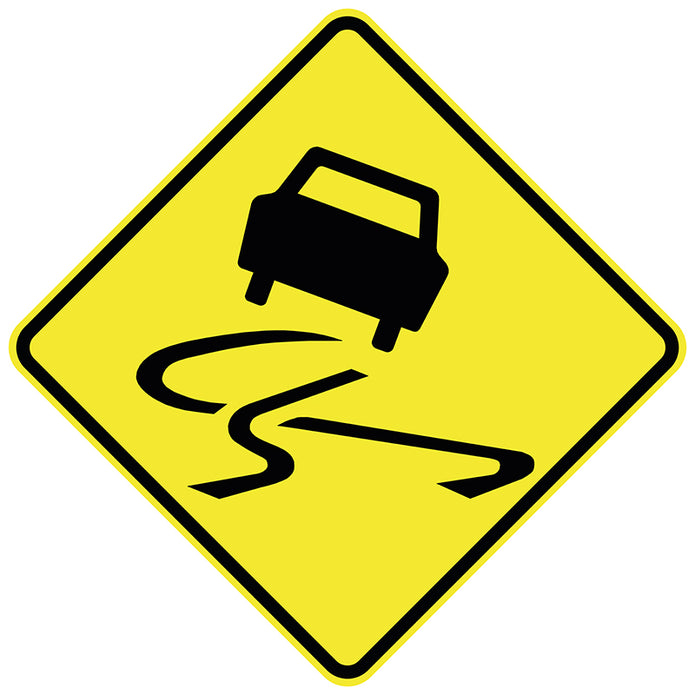
Unlike warning signs (yellow diamonds) which alert you to hazards, or mandatory signs (blue circles) which tell you what you must do, prohibitive signs specifically forbid certain actions. Ignoring them can lead to fines, demerit points, and even licence suspension. More importantly, they prevent accidents by eliminating conflicting movements and dangerous behaviours on our roads, construction sites, and private properties.
A Deep Dive into Common Prohibitive Traffic Signs and Their Meanings
Understanding prohibitive traffic signs isn't just about following rules; it's about keeping everyone safe. These signs prevent accidents and keep traffic moving smoothly on public roads and private properties. Let's explore the most common types.
Controlling Movement: No Entry, No Turns, and One-Way Streets
Some of the most critical prohibitive traffic signs exist to prevent vehicles from entering restricted areas or making dangerous manoeuvres.
The No Entry sign (a red circle with a white horizontal bar) and the similar Do Not Enter sign mean no vehicles are allowed past that point. You'll find them at the start of one-way streets, freeway off-ramps, and restricted service roads to prevent potentially fatal head-on collisions.
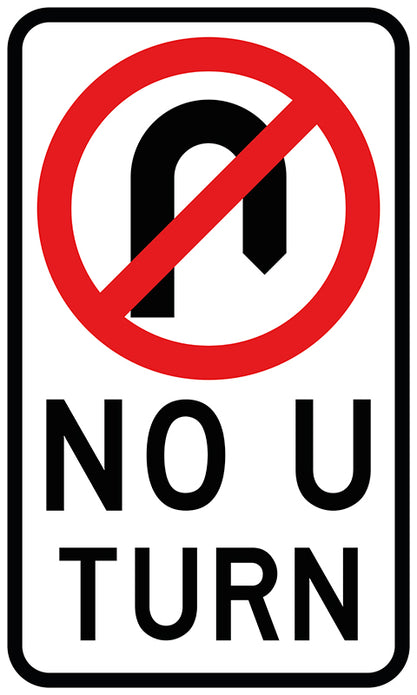
At intersections, turn restriction signs like No Left Turn, No Right Turn, and No U-Turn are essential for managing traffic flow. These signs, featuring a black arrow showing the forbidden turn crossed out in red, eliminate dangerous movements across oncoming traffic and reduce congestion, especially during peak hours.
For comprehensive guidance on road signage, check out our Beginners Guide to Road and Safety Signs.
Managing Kerbside Space: Parking and Stopping Prohibitions
Managing where vehicles can park or stop is crucial for keeping traffic moving and ensuring safety.
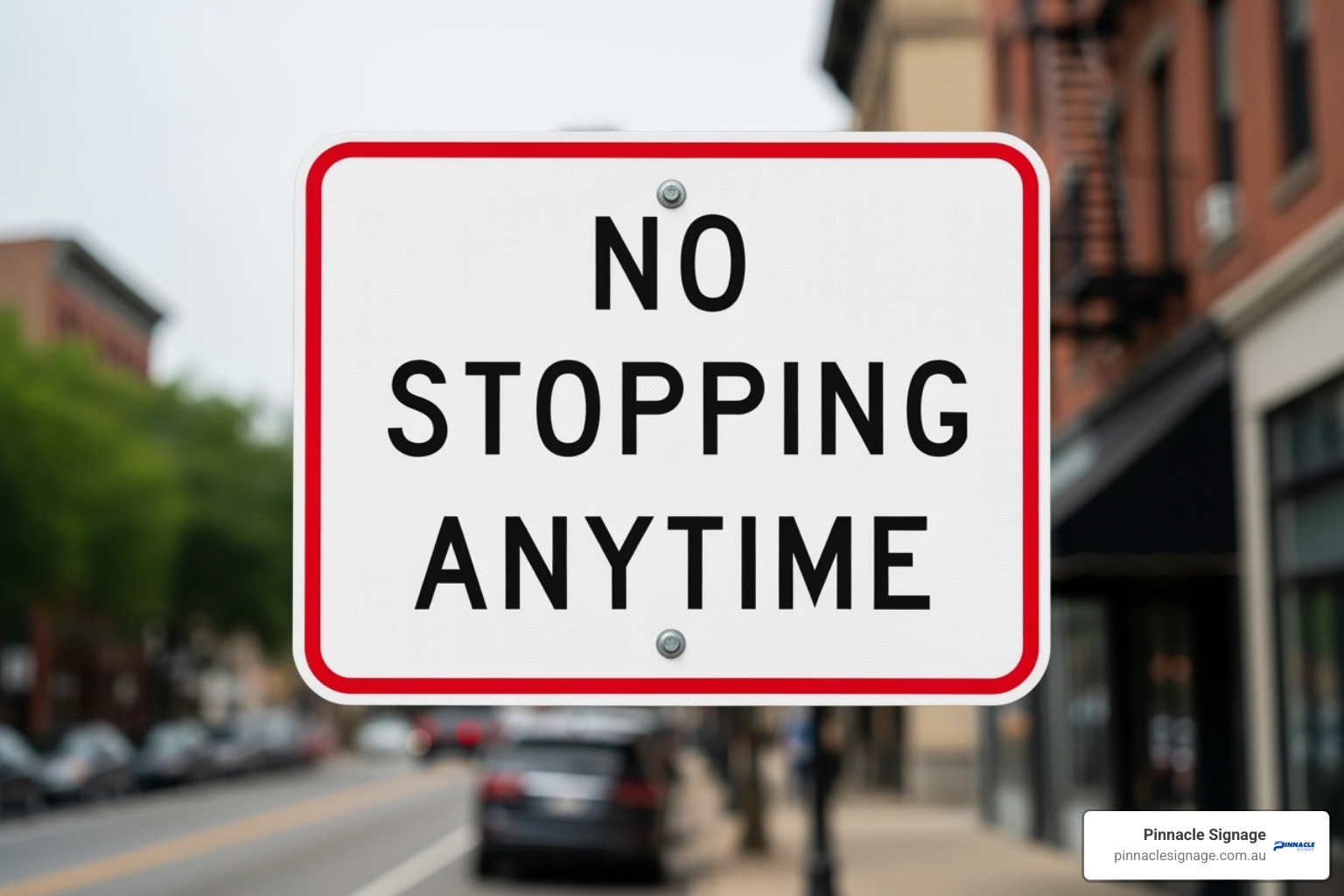
The distinction between No Parking and No Stopping is vital. A No Parking sign (a 'P' with a red slash) allows you to briefly stop to pick up or drop off passengers or goods, but you cannot leave your vehicle. In contrast, a No Stopping sign (a red circle with a red cross) means you cannot stop for any reason, except in traffic or to avoid an accident.
These signs are not arbitrary. They ensure clear access for emergency vehicles near hospitals, keep arterial roads clear as Clearways during peak hours, and allow businesses to use Loading Zones. They also improve pedestrian safety by maintaining clear sightlines near crossings and intersections.
Understanding pedestrian safety signage is equally important, our guide Walk This Way: Understanding All Road Signs for Pedestrians covers this in detail.
Specialised Prohibitive Traffic Signs for Vehicles and Areas
Beyond common turning and parking rules, many prohibitive traffic signs apply to specific vehicles or situations to protect infrastructure and public safety.
- Vehicle-specific prohibitions: Signs like No Trucks keep heavy vehicles out of residential areas, while No Bicycles and No Pedestrians signs guide vulnerable road users away from high-speed motorways.
- Dimension and weight restrictions: Height limit signs before tunnels, weight limit signs on bridges, and length restrictions on winding roads prevent costly damage and dangerous incidents.
- Hazardous materials: No Hazardous Goods signs are vital for community safety, routing dangerous cargo away from populated areas and water supplies.
- Speed limits: The ubiquitous Speed Limit sign is also a prohibitive sign, forbidding travel above the designated speed and playing a key role in accident prevention.
When dealing with construction sites, understanding all signage becomes even more critical, our guide Road Construction Traffic Signs Explained Without Driving You Crazy can help.
The Legal Force Behind Prohibitive Traffic Signs
Prohibitive traffic signs are not suggestions; they are legally binding directives under Australian Road Rules.
Violating these signs can lead to significant fines and demerit points, which can result in licence suspension. The law applies whether a police officer is present or not.
This legal framework is supported by Australian Standards, which dictate the design, colour, size, and placement of signs. The standardised red circle and slash design ensures instant recognition, even in poor conditions. For businesses and property managers, using signs that meet these standards is crucial for ensuring the message is understood and legally enforceable, which helps manage liability.
At Pinnacle Signage, we ensure all our regulatory signs meet relevant Australian Standards, giving you confidence that your signage will be both effective and legally sound. For more information about compliant signage, read our guide: Safety Signage Australia: Your Guide to Clear and Compliant Signs.
Implementing Prohibition Signs on Your Property
For business owners and site managers, prohibitive traffic signs are essential tools for creating safer, more organised spaces. From a shopping centre car park to a construction site, the right signage protects people, property, and your bottom line. While state authorities manage public roads, private property owners have a duty of care, and proper signage helps meet this responsibility and reduce liability.
Common Mistakes to Avoid with Prohibition Signage
Even with the best intentions, mistakes in signage can be costly and dangerous. Here are common, preventable issues we see:
- Poor Placement: A sign must be placed where drivers can see it and have enough time to react. A "No Entry" sign placed after the entry point is useless.
- Obstructions and Poor Visibility: Signs hidden by overgrown plants, new structures, or parked vehicles are ineffective. Ensure signs are clear and well-lit for night-time visibility.
- Homemade or Non-Compliant Signs: Unofficial signs can be confusing and may not be legally enforceable. Using signs that meet Australian Standards ensures universal understanding and provides legal protection.
- Wrong Sign for the Situation: Using a "No Parking" sign when you need "No Stopping" can lead to serious misunderstandings and safety risks.
- Sign Clutter or Gaps: Too many signs create visual chaos, while too few leave dangerous gaps in communication. A site assessment helps find the right balance.
- Neglecting Maintenance: Faded, damaged, or dirty signs lose their authority and reflect poorly on your business. Regular cleaning and replacement are essential, especially in Australia's harsh climate.
Our article Caution vs. Danger vs. Warning: What's the Difference explains why getting the right sign matters so much.
Find the Right Prohibition Signs for Your Needs
Every property is unique, and the right signage depends on your specific needs. At Pinnacle Signage, we understand the challenges across different environments.
- Car Parks: Manage traffic flow and safety with No Entry, No Parking, No Stopping, and Authorised Vehicles Only signs to create intuitive and safe traffic patterns.
- Construction Sites: Protect workers and the public with robust signs like No Unauthorised Entry, Do Not Enter, and specific vehicle restrictions for heavy machinery zones.
- Private & Commercial Properties: Balance security and access with Private Property, No Public Access, and internal Speed Limit signs.
- Agricultural Properties: Address unique risks with No Trespassing, Biosecurity Area - No Entry, and No Smoking signs to protect livestock, prevent disease, and reduce fire risk.
We manufacture our signs in East Wagga Wagga, NSW, using durable materials suited for Australian conditions. Whether you need standard designs or custom solutions with specific text and logos, we can help.
For organisations planning larger installations, we offer competitive margins for bulk orders with reliable Australia-wide shipping. Whether you need a few signs or hundreds, our scalable solutions and fast turnaround times will keep your project on track. Contact us for a custom quote or to discuss your bulk order needs, our expert team is ready to help you find the perfect prohibitive traffic signs for your situation.
Shipping & Pickup Information
Production & Shipping Times: Pinnacle Signage dispatches most items within 48 hours of receiving your order and payment confirmation. Delivery times are estimated as follows:
- 1 - 2 days: Sydney, ACT, Melbourne, Brisbane, Gold Coast
- 2 - 4 days: Rest of NSW, Rest of VIC
- 3 - 6 days: SA, North QLD, Perth
- 5 - 9 days: TAS, NT, WA
Delivery Details: For most deliveries within Australia, we use courier services such as FEDEX. Please note that couriers cannot deliver to PO Boxes, so provide a valid daytime delivery address. To ensure safe delivery, a signature is required upon receipt. You must be available to accept courier deliveries; re-delivery charges will apply if you are not present. Include a daytime phone number with your shipping details if we need to contact you about your delivery. For items weighing over 50kg, a tailgate delivery is usually required for residential addresses. This service is included in our standard shipping. Alternatively, you can choose to pick up the item from a nearby depot.
Free Shipping: Free shipping is available for orders over $100 AU Wide. This applies to most items on the site. However, for some bulky items, additional shipping costs will apply for deliveries to WA, North QLD, NT, TAS, and island areas. Our staff will reach out to you after your order if these charges apply.
Warehouse Pickup: Pickup is available at our warehouse, located at Unit 4/28 Nagle Street, East Wagga Wagga NSW. The warehouse is open from 8am to 5pm, Monday through Friday, and is closed on weekends and public holidays.