

The Shocking Truth: Why Electrical Warning Signs Are Non-Negotiable
Why Every Australian Workplace Needs Proper Electrical Warning Signs
Electrical warning sign systems are critical safety measures that can mean the difference between life and death in Australian workplaces. These signs warn workers and visitors about potentially lethal electrical hazards, from high-voltage equipment to arc flash risks that can reach temperatures of 19,426°C (35,000°F).
Essential electrical warning sign types include:
- Danger signs - For life-threatening electrical hazards (red and black design)
- Warning signs - For serious electrical risks that could cause injury (yellow and black design)
- Caution signs - For lower-risk electrical situations (yellow background with black text)
- Arc flash labels - Specific warnings for arc flash and shock hazards
- High voltage signs - Warning of electrical equipment above standard voltage levels
- Authorised personnel only - Restricting access to qualified electrical workers
The statistics paint a sobering picture. In Australia, electrical accidents remain a leading cause of workplace injuries, with approximately 300 deaths and 4,000 injuries occurring annually from electrical hazards.
Proper electrical warning signage isn't just about meeting compliance requirements under Australian Standards AS 1319 - it's about creating a workplace culture where everyone goes home safely. When workers can immediately identify electrical risks through clear, compliant signage, they can take the necessary precautions to protect themselves and their colleagues.
Your Complete Guide to the Electrical Warning Sign
Understanding electrical warning sign systems is your first line of defence in protecting your team from potentially deadly electrical hazards. Let's break down what you need to know to make the right choices for your workplace.
Decoding the Message: Key Elements of an Effective Electrical Warning Sign
An effective electrical warning sign communicates clearly through five key elements working together:
- Signal Words: Words like DANGER, WARNING, and CAUTION grab attention and signal the risk level, following Australian Standard AS 1319 for consistency.
- Colour Codes: Red is reserved for immediate, life-threatening danger, while yellow warns of potential hazards. These colours allow for instant recognition.
- Hazard Symbols: The iconic lightning bolt in a yellow triangle is a universal symbol for an electrical hazard, overcoming language barriers.
- Legible Text: Clear, simple fonts explain the specific hazard and required actions, ensuring readability from a distance.
- AS 1319 Compliance: This ensures your signs use proven designs that Australian workers recognise and trust.

When all these parts come together, an electrical warning sign does more than just tick a box for compliance. It actively saves lives. Want to dig deeper into how signal words like 'Caution,' 'Danger,' and 'Warning' really work? Check out our guide: Caution vs. Danger vs. Warning: What's the Difference?
Understanding the Hierarchy of Hazard: Danger, Warning, and Caution
Using the correct hazard level is crucial for sending the right message. Misusing signs can lead to complacency or workers not taking risks seriously enough.
Danger signs are reserved for hazards that are likely to be life-threatening. These red and black signs are for situations where contact could kill, high voltage equipment, arc flash zones, or live terminals. The design is unmistakable: white "DANGER" text on a red oval against a black background.
Warning signs indicate hazards that could result in serious injury or death but aren't as immediately life-threatening as danger situations. These yellow and black signs might warn about equipment that could start automatically or high voltage cables in the area.
Caution signs handle lower-risk electrical situations that might cause minor or moderate injuries. Think trailing cables, static-sensitive devices, or areas where electrical work is happening. These yellow signs with black text keep people aware without causing alarm.
This system trains your workforce to respond appropriately to different levels of risk.
High voltage areas often need specialised labelling approaches. Our guide An Essential Guide to High Voltage Labels covers these specific requirements in detail.
Common Electrical Hazards and Their Specific Signage
Different electrical hazards need different messages. Matching the right electrical warning sign to the danger can prevent serious accidents.
Electric shock risk: These signs typically feature the classic lightning bolt symbol. Messages like "DANGER – ELECTRIC SHOCK RISK" or "WARNING – ELECTRICAL HAZARD" are used depending on the voltage and exposure risk. For a detailed breakdown, read What Does the Danger Electric Shock Risk Sign Actually Mean?.
Arc flash hazards: An arc flash can reach temperatures hotter than the sun's surface in milliseconds. These signs are critical and often include specific PPE requirements because standard safety gear is insufficient.
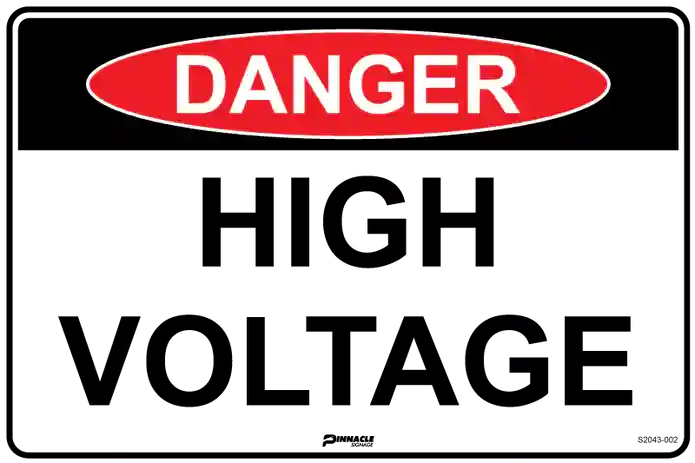
High voltage areas: These signs, typically "DANGER – HIGH VOLTAGE," clearly state the specific voltage level. They make it clear that only authorised personnel should be near the equipment.
Buried cables: "WARNING – BURIED ELECTRICAL CABLES" signs are essential on construction sites to prevent excavation accidents that could be fatal for operators and costly for projects.
Authorised personnel only: These signs combine hazard warnings with access control, ensuring only trained, qualified workers enter dangerous areas. They are a first line of defence against untrained individuals encountering electrical risks.
Signs vs. Labels: What's the Difference and When to Use Each?
Understanding the difference between signs and labels is key to an effective safety system.
Safety signs are for area-wide hazards, access control, and general safety guidance. They are mounted on walls, doors, or posts to be seen from a distance, like a "DANGER – HIGH VOLTAGE AREA" sign on a substation door.
Safety labels attach directly to equipment or control panels to warn of localised hazards. An arc flash label on a switchboard, for example, warns about that specific piece of equipment's hazards.
Signs work best at entry points to warn of general risk, while labels work best right at the point of hazard. Both work together: a sign warns you about entering a high-risk area, while the label gives you specific information about the equipment you're about to work on. Our The Ultimate Guide to Safety Sign Hazard Identification explores this relationship in greater detail.
Common Mistakes to Avoid When Using an electrical warning sign
Avoid these common mistakes to ensure your electrical warning sign system is effective:
- Poor placement: Signs placed too high, low, or behind obstructions like open doors are ineffective. Consider traffic flow, lighting, and potential obstructions.
- Wrong sign hierarchy: Using CAUTION for a life-threatening hazard, or overusing DANGER signs, causes confusion and complacency. Stick to the AS 1319 hierarchy.
- Maintenance neglect: Faded, dirty, or damaged signs reflect poorly on your safety culture. Regular cleaning and replacement are essential.
- Obstruction issues: Equipment, stored materials, or vegetation can hide signs over time. Regular site inspections can catch these problems before they cause an accident.
- Generic messaging: "Electrical Hazard" is less helpful than a specific warning like "Arc Flash Hazard – PPE Required." Specific messages lead to better responses.
- Material mismatches: Indoor vinyl won't survive outdoors, and flimsy materials fail in industrial environments. Match sign materials to the environment's demands for durability.
For comprehensive guidance on maintaining compliant electrical signage systems, read Stay Safe and Compliant with These High Voltage Safety Signs.
Ensure Compliance and Safety with the Right Signage
Getting your electrical warning sign system right isn't just about ticking boxes, it's about creating a workplace where everyone feels safe and protected. When you walk through a properly signed facility, you can feel the confidence that comes from knowing hazards are clearly marked.
The regulatory landscape in Australia provides a solid foundation for this. Safe Work Australia and the harmonised Work Health and Safety laws make it clear: hazards must be identified and risks controlled. Australian Standard AS 1319 takes this further, providing specific requirements for safety sign design and use.
Why Proper Electrical Warning Signs Transform Your Workplace
Clear, compliant electrical warning sign systems offer benefits beyond regulatory compliance, acting as silent guardians for your team.
- Dramatically reduced accident rates: Properly placed signs significantly cut the risk of electrical accidents. When workers can immediately spot dangers like high voltage areas or live wires, they exercise appropriate caution, directly impacting injury and fatality statistics.
- Improved worker confidence and productivity: When your team feels safe, they perform better. Clear signage shows your commitment to their wellbeing, building trust and encouraging adherence to safety protocols.
- Legal protection and reduced liability: Adhering to standards like AS 1319 demonstrates due diligence. In case of an incident, compliant signage serves as evidence of your commitment to safety, potentially reducing legal penalties.
- Improved operational efficiency: Clear warnings prevent confusion, unauthorised access, and unsafe maintenance procedures. This leads to fewer disruptions, less downtime, and smoother operations.
- A positive safety culture: Consistent, effective signage reinforces an environment where safety is prioritised, making everyone more aware of their surroundings and responsibilities.
Creating Your Effective Electrical Warning Sign Strategy
An effective electrical warning sign approach requires thoughtful planning and systematic implementation.
- Start with a comprehensive risk assessment. Walk through your workplace to identify and document all potential electrical hazards, assessing their severity.
- Master the Australian Standards requirements, particularly AS 1319. This standard dictates colours, symbols, text, and placement. At Pinnacle Signage, we ensure all our signs meet these crucial standards.
- Choose the appropriate hierarchy level. Use Danger for life-threatening risks, Warning for serious injury potential, and Caution for minor risks. Getting this right is essential for effective communication.
- Select materials that match your environment. Indoor areas may suit vinyl, while outdoor locations need weather-resistant aluminium. Harsh environments require robust solutions. Our range includes premium vinyl, aluminium, and reflective options with up to 7+ year life expectancy.
- Focus on visibility and placement. A sign is useless if unseen. Position signs at eye level, ensure they are well-lit, unobstructed, and at all entry points to hazards. Size them appropriately for the viewing distance.
- Establish regular inspection and maintenance routines. Signs can fade, get dirty, or be damaged. Create a system for inspecting, cleaning, and replacing signs to keep your safety system effective.
- Consider customisation for unique situations. While standard signs cover most needs, unique hazards may require custom solutions. We offer customisable options to address your specific needs.
- Seek expert guidance when needed. If unsure about your requirements, consult with safety professionals or experienced signage providers like our team at Pinnacle Signage.
At Pinnacle Signage, we manufacture high-quality, durable signage products in Australia. Our commitment to premium products, customer service, and reliable delivery means you can trust us for your electrical warning sign needs. We understand local requirements, ensuring our signs are compliant and effective in Australian conditions.
Ready to protect your workplace with premium electrical warning sign solutions? Explore our full range of Electrical and High Voltage signs to find the perfect solution for your workplace.
Have specific requirements or need expert advice? Contact us for expert advice on your specific signage needs. Our experienced team is here to help you create a safer workplace.