

Pulling Your Weight: A Guide to Fire Alarm Pull Station Signs
Why Correct Placement of a Fire Alarm Pull Station Sign Can Save Lives
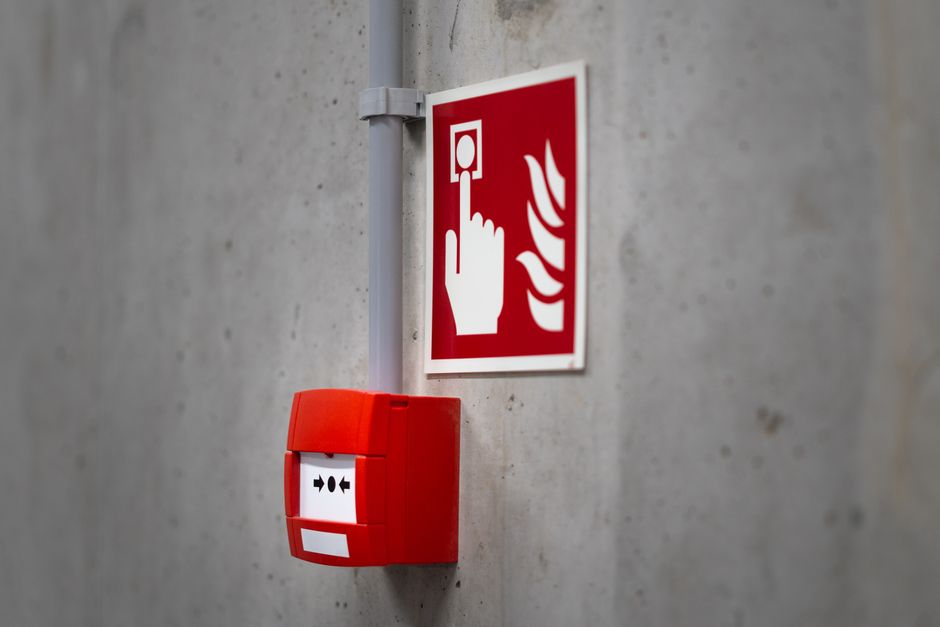
A fire alarm pull station sign is one of the most critical pieces of safety signage in any commercial or industrial building. When a fire breaks out, occupants need to locate the manual call point fast - often in a smoky, chaotic environment where every second counts.
Here is a quick overview of what you need to know:
- What it is: A sign that clearly identifies the location of a manual fire alarm activation point (pull station or manual call point)
- Why it matters: In situations where automatic detectors have not triggered, occupants rely on these signs to find and activate the alarm manually
- Where it goes: Near exits, stairwells, and high-traffic corridors at a height accessible to all users
- What it must meet: Australian Standards, including AS 1670.1 and AS 2444, plus Safe Work Australia workplace safety requirements
- What to look for: High contrast colours, bold text, durable materials, and photoluminescent options for low-light visibility
Getting the placement and specification of your fire alarm pull station sign right is not just a regulatory checkbox - it is a practical, life-safety decision that affects everyone in your building.
I'm Doug Lindqvist, General Manager of Pinnacle Signage, and my background in the safety and industrial supply space has shown me how often the right fire alarm pull station sign is either missing, poorly positioned, or made from materials that simply do not hold up under Australian conditions. In the sections below, I will walk you through exactly where to place your signs, what materials to choose, and how to stay compliant.

Fire alarm pull station sign terms you need:
Understanding the Role of a Fire Alarm Pull Station Sign
At its core, a fire alarm pull station sign serves as a beacon. In the signage world, we talk a lot about "wayfinding," which is just a fancy way of saying "helping people find where they need to go." During a fire, wayfinding becomes a matter of survival. These signs indicate the exact location of manual call points, ensuring that anyone - whether they are a long-term employee or a first-time visitor - can trigger the alarm system.
Manual activation is often the first line of defence. While modern buildings have smoke and heat detectors, a human often spots a fire before the sensors do. Without clear fire signage, that person might waste precious seconds searching for a way to alert the rest of the building. By using a dedicated fire alarm pull station sign, you provide an unmistakable instruction to "activate alarm here."
Visibility Requirements for a Fire Alarm Pull Station Sign
Visibility isn't just about having a sign; it’s about making sure that sign can be seen from a distance and under duress. To be effective, a fire alarm pull station sign must feature high-contrast colours - typically a vibrant red background with white text or symbols.
We recommend bold, sans-serif fonts that are legible from at least 10 to 15 metres away. In larger facilities like warehouses or multi-storey offices, a flat wall sign might not be enough. In these cases, double-sided or "V-shape" projecting signs are excellent because they can be seen from both directions down a long corridor. You can explore these high-visibility options in our Fire Signage Collection.
Compliance with Australian Standards
Operating in East Wagga Wagga, we know that Australian businesses face strict safety audits. Your fire alarm pull station sign must align with several key standards:
- AS 1670.1: This standard covers the design, installation, and commissioning of fire detection and alarm systems. It highlights the need for manual call points to be clearly identifiable.
- AS 2444: This relates to the selection and location of portable fire extinguishers and fire blankets, but it also sets the tone for how all fire-related equipment should be marked for consistency.
- Safe Work Australia: Their guidelines mandate that all emergency equipment be clearly marked to ensure a safe workplace for everyone.
Following these standards isn't just about avoiding fines; it’s about creating a predictable environment. When every building follows the same "visual language," people know exactly what to look for in an emergency. For more on this, check out our guide on how to implement fire safety signs.
Optimal Placement and Visibility Strategies
_compressed.webp?alt=media&token=162a486d-af19-4800-91d7-967187faebf4 "user-inserted")
You could have the most expensive, high-tech sign in the world, but if it’s tucked behind a potted plant or mounted too high to see, it’s useless. Strategic placement is the difference between a compliant building and a safe one.
Strategic Locations for Your Fire Alarm Pull Station Sign
Where should you actually bolt these things to the wall? The goal is "unobstructed views."
- Exit Paths: Place signs along primary and secondary evacuation routes.
- Stairwells: Every entrance to a fire-isolated stairwell should have a manual call point and a corresponding sign.
- Near Exits: The most common location is immediately adjacent to the final exit doors.
- Assembly Points: While the pull station itself is inside, directional signs leading to them should be placed in high-traffic areas like foyers and break rooms.
It is also vital to keep the area around the sign and manual call point clear. Pallets, stock, and office furniture can easily block access when every second counts. A simple do not block floor marking or nearby warning sign can help protect that clear zone. For quick solutions, many standard markers are available as Pinnacle Signage at Bunnings.
Height and Accessibility Guidelines
In Australia, we follow AS 1428.1 for design for access and mobility. This means your fire alarm pull station sign needs to be accessible to everyone, including people with disabilities.
The general rule of thumb is to mount signs at a height of 5 to 7 feet (approximately 1.5 to 2.1 metres) off the ground. This "eye-level" placement ensures the sign is above the average person's shoulder height but low enough to be seen easily. If the sign is intended to be read by touch (tactile or Braille), it must be mounted within the "accessible reach" range, usually between 1200mm and 1600mm from the floor. You can find more details on this in our guide to fire escape signs.
Material Selection for Durability and Low-Light Visibility
The environment of your site dictates the material you need. A sign in a climate-controlled office has a much easier life than one in a Wagga Wagga manufacturing plant or an outdoor loading dock.
Benefits of Photoluminescent Materials
What happens when the power goes out? In many fire scenarios, the electrical system fails, or thick smoke obscures the ceiling lights. This is where photoluminescent (glow-in-the-dark) materials are literal lifesavers.
- Standard Glow: These signs can glow for 10+ hours after being charged by 60 minutes of ambient light.
- SuperGlo: For high-risk areas, these premium options can glow for 30+ hours.
- Smoke Visibility: Photoluminescent signs cut through smoke better than standard reflective signs because they emit their own light.
Using these materials for your fire alarm pull station sign ensures that the "way out" and the "alarm trigger" remain visible even in total darkness. This technology is a staple in our Ultimate Guide To Exit Fire Signs.
Weather Resistance for Industrial Environments
For our local agricultural and industrial clients, we recommend materials that can withstand the "Big Aussie Heat." Our AL-Plus Aluminium signs are a rigid composite - two aluminium sheets laminated to a thermoplastic core. They are:
- UV Stable: Our inks won't fade in the harsh NSW sun.
- Temperature Resistant: They handle service temperatures from -40°C to +80°C (and some specialised labels like DuraMark can go up to +150°C).
- Durable: AL-Plus is rated for up to 10 years of outdoor use.
If you are mounting a sign on a fence or a rough exterior wall, we offer high-tack adhesive labels and pre-drilled aluminium plates that "stick it and forget it." For more on choosing the right substrate, see our fire hydrant sign overview.
Complementary Signage for a Complete Fire Safety System
A fire alarm pull station sign is part of a larger team. To have a truly safe facility, you need a cohesive system of markers that work together.
Directional and Floor Signage
Sometimes the manual call point is around a corner or set back from view. In those cases, use clear directional signage or arrows so people can find it fast.
Floor signs are also incredibly effective in warehouses. Our low-profile floor signs are designed to withstand heavy foot and forklift traffic without peeling or becoming a trip hazard. They provide a clear visual reminder to keep the area in front of fire equipment clear at all times. This is a practice we discuss extensively in our fire hose signs guide.
Multilingual and Custom Safety Messages
Australia has a beautifully diverse workforce. If your team speaks multiple languages, a standard English-only sign might not be sufficient for rapid response.
We offer custom signage services where we can create bilingual or multilingual signs (Spanish, Chinese, Arabic, etc.) at no additional charge for the design. Customising your fire alarm pull station sign with specific site instructions - like "Break Glass" or "Pull Down Hard" - can also clear up any confusion during a high-stress moment.
Maintenance and Installation Best Practices
Installation is more than just a roll of sticky tape. To ensure your signs stay put for the next decade, follow these industry best practices.
Mounting Options for Different Surfaces
Different surfaces require different "sticking" strategies:
- Smooth Walls: Use industrial-strength double-sided foam tape or high-tack vinyl labels. Always wipe the surface clean with alcohol before applying.
- Brick or Concrete: We recommend aluminium signs with pre-drilled corner holes. Use round-head screws and wall plugs for a permanent fix.
- Fencing: If the pull station is on a gate or perimeter, use UV-rated cable ties or specialised brackets to secure the sign to the chain link.
- Magnetic: For temporary sites or metal partitions, heavy-duty magnetic backings allow you to move the sign as needed.
Our fire hose reel signage guide offers more tips on mounting hardware that lasts.
Inspection Schedules
Safety signage is not "set and forget." We recommend a quarterly "Visibility Audit":
- Cleaning: Dust and grime can reduce the reflectivity and glow of your signs. A simple wipe with a damp cloth is usually all it takes.
- Adhesion Check: Ensure labels aren't peeling at the corners.
- Obstruction Check: Make sure no new equipment or stock has been moved in front of the fire alarm pull station sign.
- Replacement: If a sign is faded, scratched, or vandalised, replace it immediately. We offer fast 48-hour dispatch to ensure your "safety gaps" are closed quickly.
For more on staying on top of your legal requirements, read our lowdown on fire notice signage.
Frequently Asked Questions about Fire Safety Signage
How high should a fire alarm sign be mounted?
For maximum visibility and compliance with AS 1428.1, aim for 1.5 to 2.1 metres from the floor. If it includes Braille, the tactile components should be between 1200mm and 1600mm.
Do I need photoluminescent signs by law?
While not every single sign must be photoluminescent, Australian Standards and building codes often require exit paths and critical emergency equipment to be visible during power failures. Photoluminescent signs are the most cost-effective way to meet this requirement without installing expensive wired emergency lighting for every sign.
What is the difference between a pull station and a manual call point?
In Australia, we typically use the term "Manual Call Point" (MCP), which usually involves breaking a small glass element or pressing a plastic resettable element. "Pull Station" is a term more common in North America, but the signage requirements remain virtually identical - both need to be clearly marked with a red and white fire alarm pull station sign.
Make Every Second Count with Smarter Fire Alarm Signage
Ensuring your facility has the right fire alarm pull station sign in the right place is one of the simplest yet most effective ways to bolster your fire safety strategy. From choosing photoluminescent materials for low-light safety to ensuring your mounting height meets Australian Standards, every detail contributes to a faster emergency response.
At Pinnacle Signage, we take pride in being a local manufacturer based in East Wagga Wagga, NSW. We understand the specific needs of Australian businesses, from the scorching summer heat to the rigorous safety standards required by Safe Work Australia. Whether you need a single replacement sign or a bulk order for a new construction site, we are here to help.
- Local Expertise: Proudly manufactured in East Wagga Wagga.
- Fast Turnaround: Most orders are dispatched within 48 hours.
- Bunnings Partner: Find our quality products at Bunnings in-store and online.
- Great Value: Free shipping on orders over $100 AU Wide (exceptions apply).
- Local Pickup: Visit our warehouse Mon-Fri, 8am-5pm for easy collection.
Ready to secure your site? Contact Our Team today to discuss your custom requirements. Don't leave your fire safety to chance - make it visible with Pinnacle Signage.