

Everything You Need to Know About Protective Equipment Signs
Why Protective Equipment Signage Matters for Every Australian Worksite
Protective Equipment signage is a critical safety tool that tells workers, visitors, and contractors exactly what PPE they must wear before entering a specific area. These mandatory signs use clear pictograms and text to communicate requirements like hard hats, safety glasses, hearing protection, gloves, high-vis vests, and steel-capped boots.
Quick Reference: Common Types of Protective Equipment Signs
- Head Protection Required - Hard hats must be worn
- Eye Protection Required - Safety glasses or goggles must be worn
- Hearing Protection Required - Ear muffs or plugs must be worn
- Hand Protection Required - Gloves must be worn
- Foot Protection Required - Safety boots must be worn
- Respiratory Protection Required - Masks or respirators must be worn
- High-Visibility Clothing Required - Safety vests must be worn
- Multi-PPE Signs - Showing multiple items required in one area
Whether you're managing a construction site in Sydney, running a manufacturing facility in Melbourne, or overseeing operations in regional Australia, protective equipment signage serves as a constant visual reminder that reduces careless mistakes and reinforces safety training. These signs help protect your team from injury and your business from costly downtime. They're particularly valuable in diverse workplaces where universal symbols communicate safety requirements clearly, regardless of language barriers. Experience across different industries shows that clear, durable signage isn't just about compliance, it's about creating a culture where safety becomes second nature.
The Critical Role of PPE Signage in Australian Workplaces
Walk onto any Australian worksite, and you'll quickly notice something: the safest operations aren't just the ones with the best equipment. They're the ones where safety is visible, constant, and impossible to ignore. That's where Protective Equipment signage comes in.
These signs do more than tick compliance boxes. They actively prevent injuries by reminding workers, contractors, and visitors to gear up before entering hazardous areas. A well-placed sign at the entrance to a work zone can stop someone from making a split-second decision that could lead to a serious incident. It's a simple visual cue that reinforces the safety training your team has already received, making those lessons stick in real-world situations.
When injuries are prevented, downtime drops. Operations keep running smoothly. Your team stays healthy and productive. And your business avoids the financial and operational headaches that come with workplace incidents. The right signage helps build a workplace culture where safety isn't just a policy, it's a visible, everyday practice.
For more on how quality signage strengthens your overall safety approach, take a look at our guide on Making Your Workplace Safe and Secure with High Quality Safety Signage.
Why Visual Reminders are So Effective
Even the most experienced workers can slip into autopilot, especially during routine tasks. Familiarity breeds complacency, and that's when accidents happen. A prominent Protective Equipment sign breaks through that autopilot mode with a clear, immediate reminder.
Our brains process visuals far faster than text alone. A well-designed sign with bold symbols and clear messaging doesn't require deep thought, it triggers an instant response. This constant reinforcement supports your broader safety programs and helps embed safe practices into daily operations.
The result? Fewer workplace injuries, less downtime, and a team that stays alert and protected. Visual reminders work because they're there when it matters most, right at the point where decisions are made. Learn more about how effective signage communicates safety in our article, Workplace Safety Signs That Speak Louder Than Words.
Assisting a Diverse Workforce
Australian workplaces are home to people from all over the world, speaking dozens of different languages. This diversity is a strength, but it also creates unique challenges for safety communication. How do you ensure everyone understands critical safety requirements when not everyone reads English fluently?
This is where the power of universal symbols becomes invaluable. The pictograms on Protective Equipment signs, like a hard hat, safety glasses, or gloves, don't need translation. They're instantly recognisable, regardless of language or literacy level. A worker can glance at a sign and immediately know what's required before entering a work area.
This rapid recognition is especially important in high-risk environments, where there's no time to stop and decipher complicated instructions. Clear, visual communication helps create an inclusive safety culture where everyone, from experienced tradespeople to new arrivals, can stay protected. For a closer look at these essential visual cues, check out Gear Up: Understanding Personal Protective Equipment Signs.
Decoding Mandatory Protective Equipment Signs
When you see that distinctive blue circular sign with a white symbol, you're looking at a mandatory sign. These aren't suggestions or friendly reminders, they're clear instructions that must be followed to keep everyone safe. A Protective Equipment sign falls squarely into this category, telling workers exactly what gear they need to wear before entering a specific area.
In Australia, the design and application of these signs follow principles set out in standards like AS 1319. This ensures that whether you're on a construction site in Darwin or a manufacturing floor in Hobart, the signs look and communicate the same way. That consistency matters because it means workers can instantly recognise what's required of them, no matter where they're working.
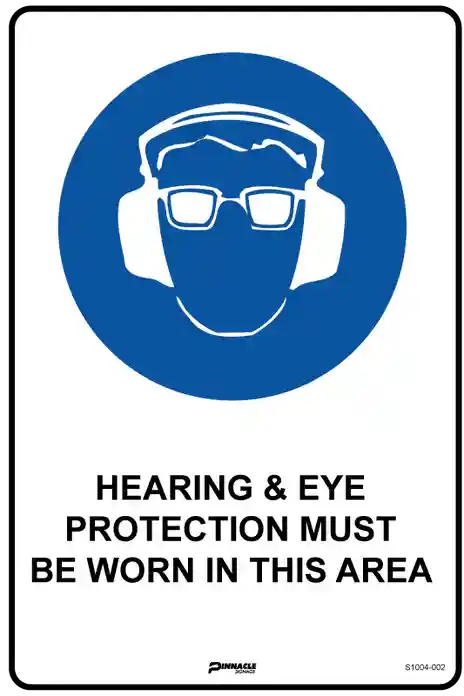
The design is deliberately simple and effective: a white pictogram sits inside a blue circular disk, often with black text on a white rectangular background below. When you see "Eye protection must be worn," there's no ambiguity. It's a clear, non-negotiable instruction. These design rules, such as the round shape and white pictogram on a blue background, ensure that mandatory safety messages are instantly recognisable, even from a distance.
Common PPE Depicted on Signs
Mandatory Protective Equipment signs cover the full range of personal protective gear, each designed to protect specific parts of the body from identified hazards. The pictograms are universally recognised, which is crucial in our diverse Australian workplaces.
Head Protection signs show a person wearing a hard hat, essential in any area where falling objects or head impacts are a risk. Eye Protection pictograms feature safety glasses or goggles, required wherever splashes, flying debris, or harmful light are present. In noisy environments, Hearing Protection signs depict ear muffs or plugs to prevent long-term hearing damage.
Hand Protection signs show various types of gloves, necessary for tasks involving chemicals, sharp objects, extreme temperatures, or electrical work. The specific glove pictogram can vary depending on the type of protection required. Foot Protection signs display safety boots, mandatory where heavy objects, punctures, or electrical hazards threaten workers' feet.
Respiratory Protection pictograms show a person wearing a mask or respirator, crucial in environments with dust, fumes, gases, or airborne contaminants. Finally, High-Visibility Clothing signs feature safety vests, important in areas with moving vehicles or machinery where workers need to be easily seen.
Modern signage solutions have evolved beyond simple pictograms. Some innovative charts now feature full-colour photographic images of actual protective equipment, making identification even more intuitive. These can include dozens of photographic images across all the key categories, which is particularly helpful for less common or specialised PPE.
Understanding Different Sign Categories
While we've focused on mandatory signs, they're just one piece of the safety signage puzzle. Understanding how all the categories work together helps create a comprehensive safety communication system across your site.
Hazard signs (sometimes called warning signs) alert people to potential dangers or unsafe practices that could lead to injury. You'll recognise these by their triangular shape, with a black pictogram on a yellow background and black edging. Think "Danger: Electricity" or "Slippery When Wet."
Prohibition signs tell people what they cannot do. These feature a red circle with a diagonal line through a black pictogram on a white background. The classic "No Smoking" sign is probably the most familiar example.
Emergency signs point people toward safety. These rectangular or square green signs with white pictograms show emergency exits, first aid locations, and emergency equipment. Fire safety signs are similar in shape but use red backgrounds with white pictograms to identify fire extinguishers, fire hoses, and other fire-fighting equipment.
The consistent use of specific shapes and colours for each category creates instant recognition. Even from across a busy worksite, people can distinguish between a mandatory instruction, a warning, and a prohibition based on colour and shape alone. For a deeper dive into identifying various safety hazards through signage, have a look at The Definitive Guide to Safety Sign Hazard Identification.
Designing an Effective Protective Equipment Sign System
Creating an effective Protective Equipment sign system isn't just about hanging signs on walls. It's about making sure every sign is positioned where it needs to be, designed so it can be read quickly, and built to last in the conditions it'll face. We need to think strategically about how workers move through a space and what they'll see before they enter a hazardous area.
The most critical factor is placement. A Protective Equipment sign does no good if it's tucked away in a corner or mounted after someone has already entered the work zone. Signs need to be at all entry points to areas requiring PPE, positioned at eye level where possible, and placed with enough distance that workers have time to gear up before they enter. Good lighting is essential, whether that's natural light, overhead fixtures, or even illuminated signs in dimly lit areas.
Readability comes down to clear design. Bold text, high contrast colours, and appropriately sized graphics all contribute to instant recognition. The choice between full-colour photographic images and simple silhouette icons can make a real difference. Photographic images can show the exact type of glove or respirator required, which is particularly helpful when dealing with specialised equipment or a workforce that might be less familiar with generic symbols. Silhouette images of workers with highlighted body areas needing protection offer another intuitive approach that cuts through language and literacy barriers. We've covered these principles in detail in our guide on How to Use Health and Safety Signs in the Workplace Effectively.
The Advantage of Customisable Signage
Every worksite has its own unique hazards and requirements. A manufacturing plant in Melbourne faces different challenges than a construction site in Cairns or a workshop in Perth. That's where customisable Protective Equipment signage becomes invaluable.
Custom signs let you address your site's specific needs precisely. You might need a particular combination of PPE that isn't available on standard signs, or you want to incorporate your company branding so signs feel like part of your workplace culture rather than generic additions. Perhaps you have unique safety instructions that need to be clearly communicated in a way that reflects how your team actually works.
For environments where requirements change regularly, changeable charts are a practical solution. These systems allow you to update PPE requirements without replacing the entire sign. Simply swap out the icons or messages as your processes or hazards change. This flexibility saves money over time and ensures your signage always reflects current conditions. Multi-message signs that combine several requirements on one board also offer an efficient way to communicate complex information without cluttering your workspace with multiple signs. Our experience in construction settings, detailed in The Ultimate Guide to Construction Safety Signage, shows how customisation makes safety communication more effective.
Choosing the Right Materials for Durability
A sign that fades, cracks, or becomes illegible after a few months isn't doing its job. Australian conditions can be harsh. Intense UV exposure, heavy rain, dust storms, and extreme temperature swings all take their toll on signage. Inside, industrial environments present their own challenges with chemical exposure, high humidity, and constant wear.
That's why material selection matters so much. Polypropylene is a robust plastic that handles most indoor and many outdoor applications well, offering good resistance to moisture and chemicals. Metal signs provide exceptional strength and impact resistance, ideal for high-traffic areas or locations where physical damage is likely. They hold up beautifully in outdoor construction sites and industrial yards. Self-adhesive vinyl works perfectly when you need to apply signage directly to machinery, walls, or equipment, creating a low-profile solution that won't get knocked or damaged.
Using durable, weather-resistant materials is crucial for ensuring that signage remains effective over the long term. A sign that is still clearly readable after years of exposure to the elements provides ongoing value and maintains consistent safety messaging. That reliability is essential for keeping people safe every single day.
Matching Signage to Your Industry
Choosing the right Protective Equipment signs means matching them to the specific risks and environments of your industry. The requirements for a construction site in Sydney will differ significantly from those of a healthcare facility in Melbourne or a mining operation in regional Queensland. A one-size-fits-all approach is rarely effective; instead, signage should be tailored to the unique operational context.
Different industries have different needs. A mining operation requires signs that withstand harsh dust and weather, while a hospital needs clear signage that guides staff and visitors through complex safety protocols. Manufacturing facilities often need multi-message signs that communicate several PPE requirements at once, and construction sites benefit from highly visible, durable signs that can handle the rough and tumble of an active worksite. Understanding that one size doesn't fit all is key to effective safety communication. For a deeper look at how different industries approach safety signage, have a read of Top Industries That Rely on the Right Health Safety Signage.
Frequently Asked Questions about Protective Equipment Signs
Throughout our years at Pinnacle Signage, we've had countless conversations with site managers, business owners, and safety officers about Protective Equipment signs. These questions come up time and again, so we thought we'd address the most common ones here to help you better understand how these signs work and why they matter.
What are the main categories of safety signs?
Understanding the different categories of safety signs helps you create a comprehensive safety communication system across your site. Each category serves a distinct purpose and uses specific colours and shapes for instant recognition.
Prohibition signs tell you what actions are forbidden. They feature a red circle with a diagonal line through a black pictogram, making it immediately clear what's not allowed. Think "No Entry" or "No Smoking" signs.
Mandatory signs, which include most Protective Equipment signs, tell you what you must do. These feature a white pictogram on a blue circular background, leaving no room for interpretation. When you see one, it's a non-negotiable instruction.
Warning or Caution signs alert you to potential hazards. They're typically triangular with a black pictogram on a yellow background, drawing your eye to risks like wet floors or overhead loads.
Emergency Information signs guide you to safety equipment and emergency exits. They use green with white text or pictograms, making them easy to spot when you need them most.
Fire Safety signs specifically identify fire-fighting equipment like extinguishers and hose reels. They're red with white markings, ensuring they stand out in an emergency.
Where is the best place to install a protective equipment sign?
Getting the placement right is just as important as having the signs in the first place. A Protective Equipment sign needs to be visible and readable before someone enters the area where PPE is required, not after they're already exposed to the hazard.
The most effective location is at every entrance to a work area where PPE is mandatory. Position these signs so they're the first thing workers, visitors, and contractors see when approaching. They need to be well-lit and unobstructed, with clear sightlines from multiple approach angles. If someone can't see your sign until they're already in the hazardous zone, it's not doing its job.
For specific hazards, placing additional signs near the actual risk point reinforces the message. For instance, a "Hearing Protection Required" sign near noisy machinery serves as a direct, contextual reminder right where it's needed most.
How do I choose the right sign for a specific hazard?
Selecting the appropriate Protective Equipment sign isn't about guessing, it's about following a systematic approach based on your site's actual risks. Start with a thorough risk assessment of your worksite. This process identifies all potential hazards in specific areas, whether they're falling objects, chemical splashes, excessive noise, or airborne contaminants.
Once you've identified the hazards, determine which types of PPE are necessary to protect against each risk. If your assessment reveals a risk of objects falling from height, then head protection becomes mandatory, and you'll need a "Head Protection Must Be Worn" sign. If there's a risk of chemical exposure to hands, then hand protection is essential.
The signs you choose should clearly communicate the specific PPE requirements that directly address the identified hazards. Always ensure your chosen signs comply with relevant Australian standards like AS 1319, which provides the framework for clear, consistent safety communication. This standards-based approach ensures your signage is not only effective but also recognisable and understood across different Australian worksites.
A Commitment to Workplace Safety
Creating a safer, more compliant workplace is a shared responsibility across Australia. Every Protective Equipment sign should reflect a commitment to quality, designed and built to withstand our unique environmental conditions, from scorching summers to coastal salt spray.
Effective safety communication relies on clear, durable, and compliant signage that is appropriate for its intended environment. Understanding that every workplace is different is the first step toward implementing a successful safety strategy. By focusing on quality materials and clear design principles, businesses can enhance their safety culture and better protect their teams. For expert advice on developing a comprehensive signage strategy for your workplace, consulting with safety professionals is always recommended.
Check us out on the Bunning's website or contact us for more information